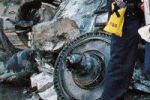
There have been a number of devastating airline disasters and crashes caught on video over the years. One day we sifted and sorted, viewed and reviewed tons of hair-raising, harrowing airplane crash video footage. Warning--don't watch any of this before you go on your next flight!
Latest news and articles
Terror in the Sky: The Top 5 Biggest Air Disasters in History 
Posted on Mon, 11 Jul 2011 17:10:52 GMT
Why is there a huge hole in the side of the World Trade Center? On the morning of Sept 11, 2001 I flipped on the Today Show morning news program in Los Angeles a few minutes before 6am. They were showing a video of a huge gaping hole in the side of one of the World Trade Center buildings, with a massive black cloud billowing out. One of the anchors, Katie Couric said, “As Matt just mentioned we have a breaking news story to tell you about. Apparently a plane has just crashed into the World Trade Center here in New York City.”