

 FSX Military Aircraft
Lockheed Martin F-16 Fighting Falcon
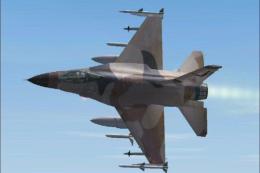
FSX Lockheed Martin F-16 Fighting Falcon (Viper). This is Kirk Olsson's VIPER…
Lockheed Martin F-16A MLU M4 Fighting Falcon for FSX delivers a complete package with rebuilt virtual cockpit and panel, working radar that displays AI traffic, drag chute, and authentic F-16 sound. Reworked flight dynamics add afterburner, vapor, and exhaust smoke effects, plus Danish Air Force visuals with period-correct stores including AMRAAM, IRIS-T, GBU-12, PIDS, and ECM pods.
 Rate
Rate
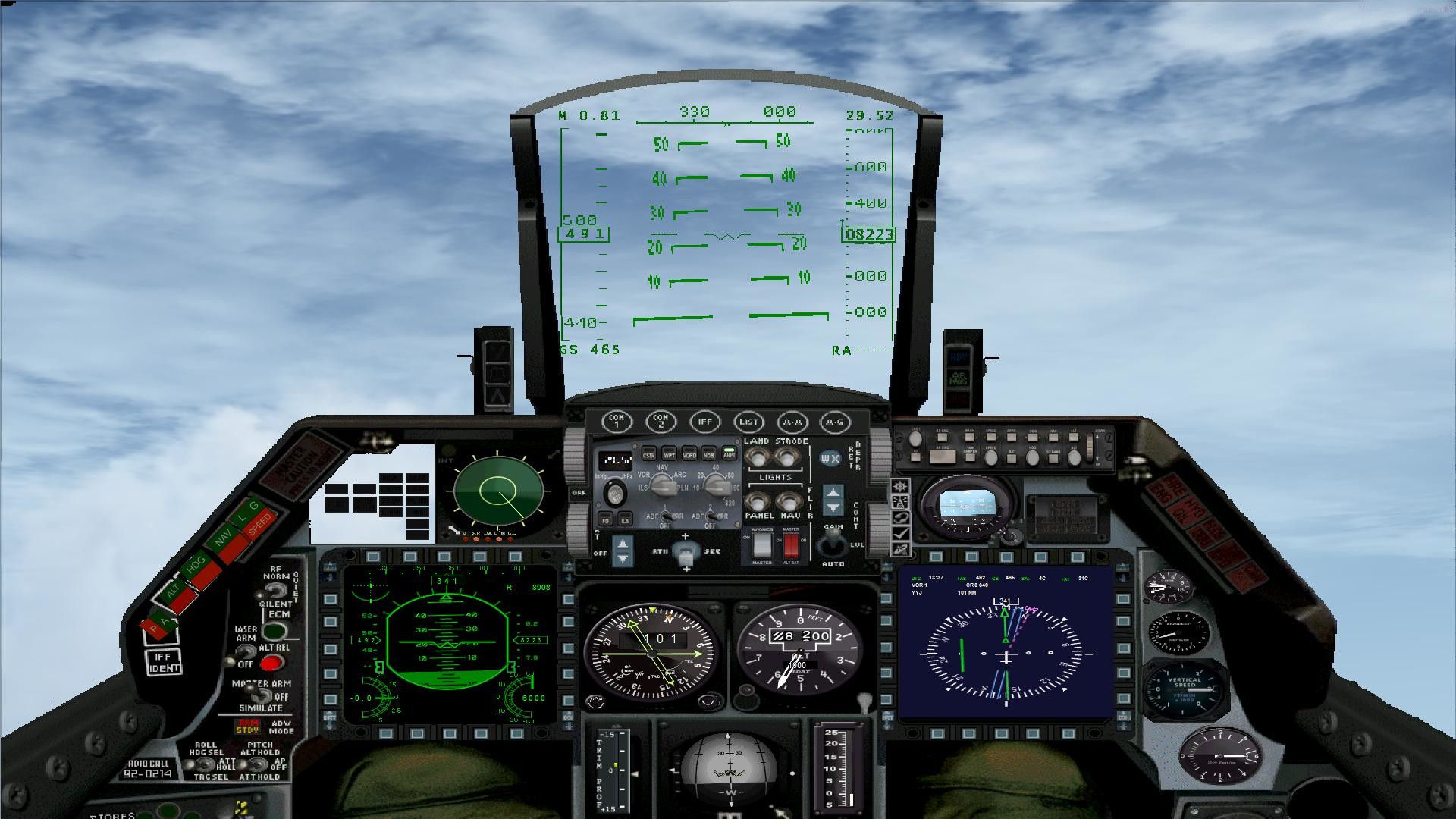
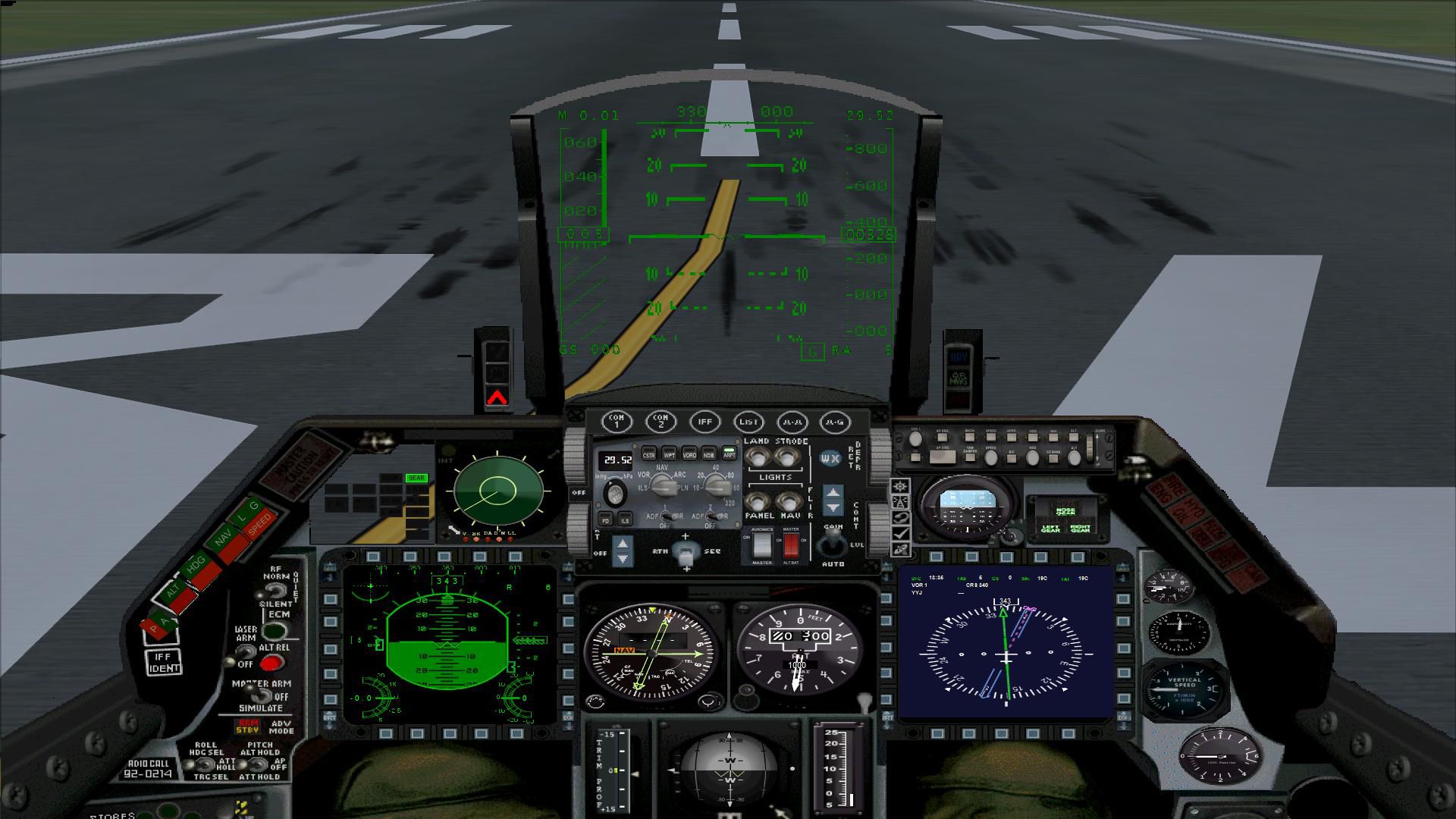
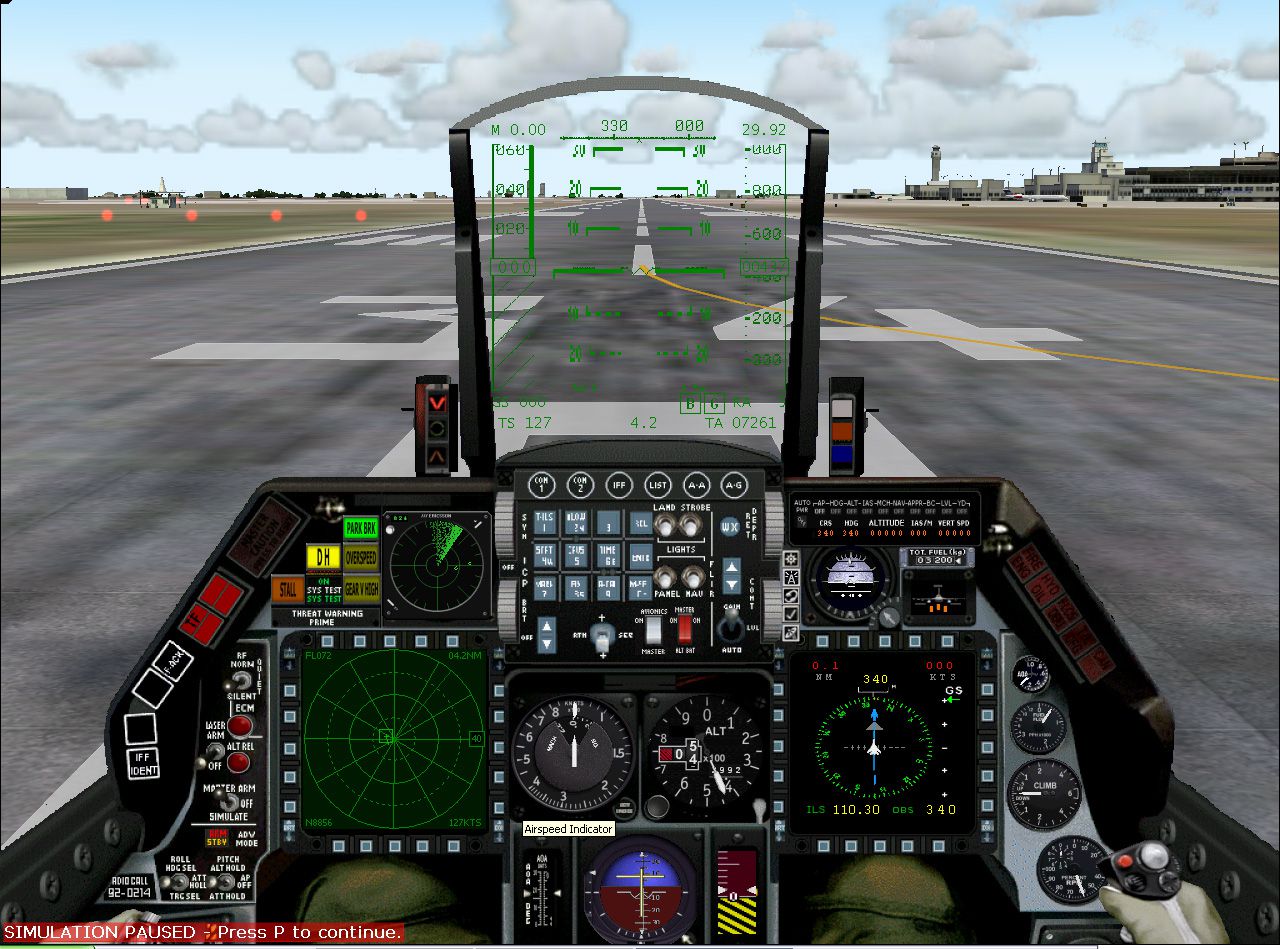
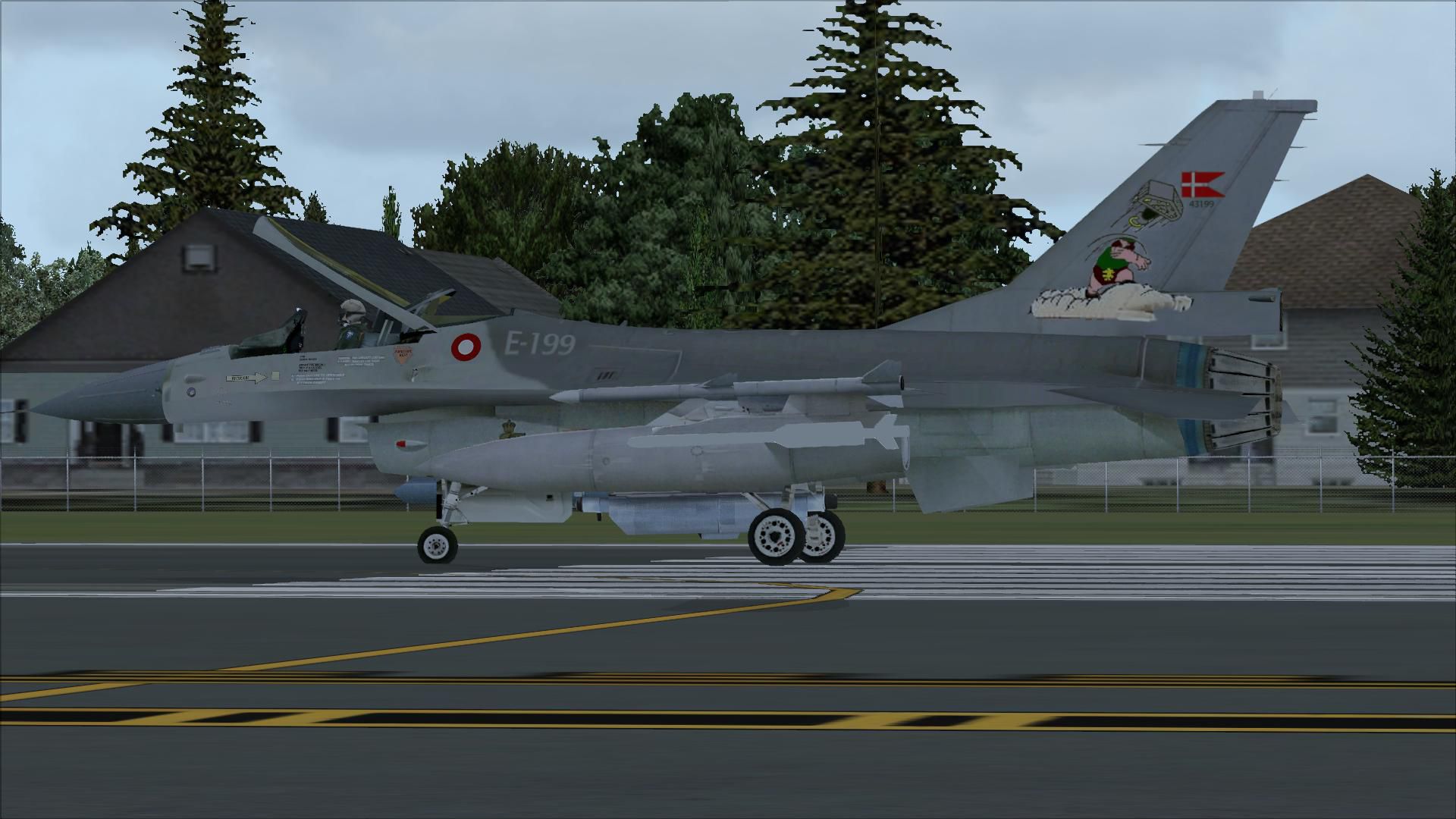

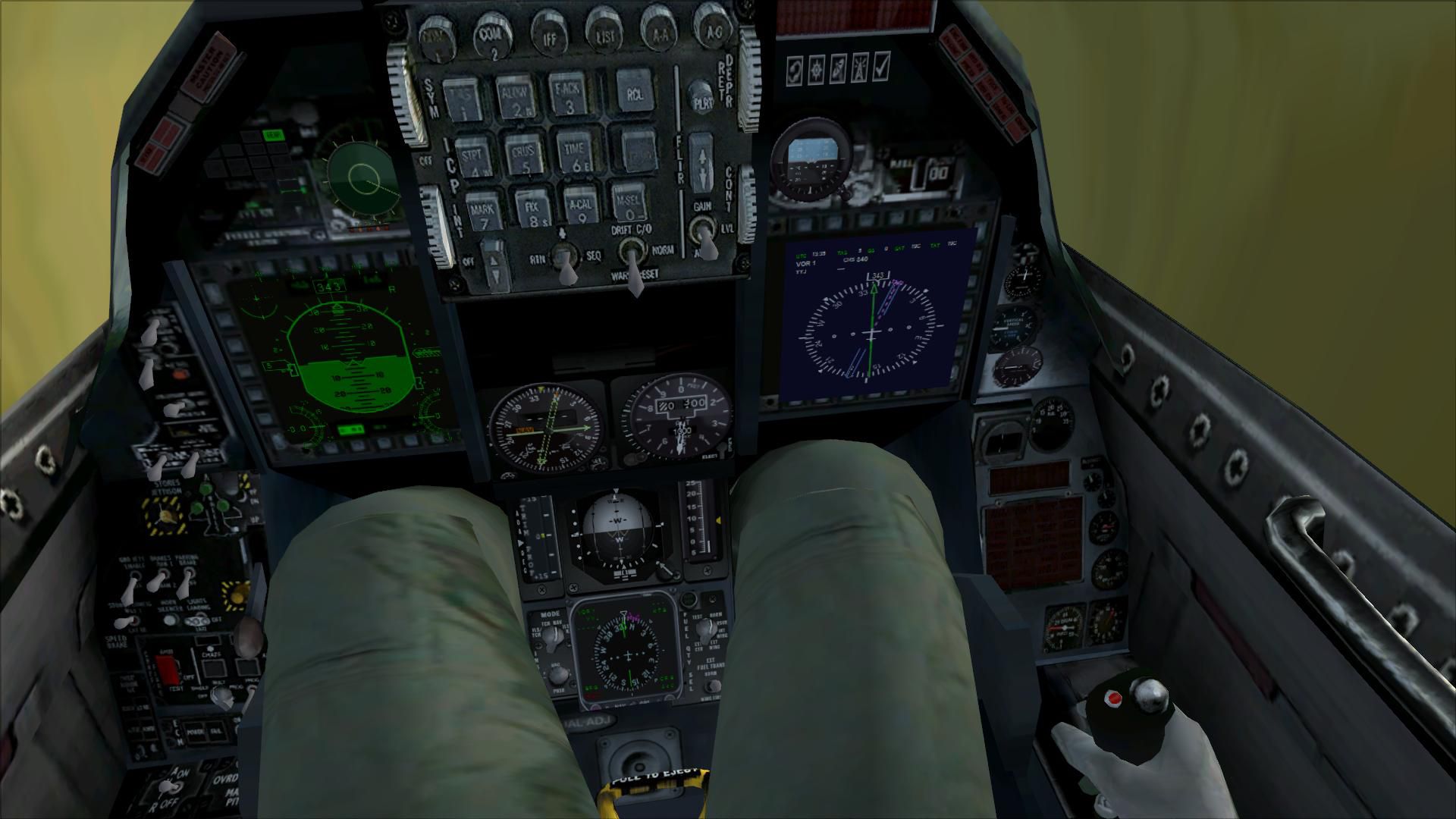

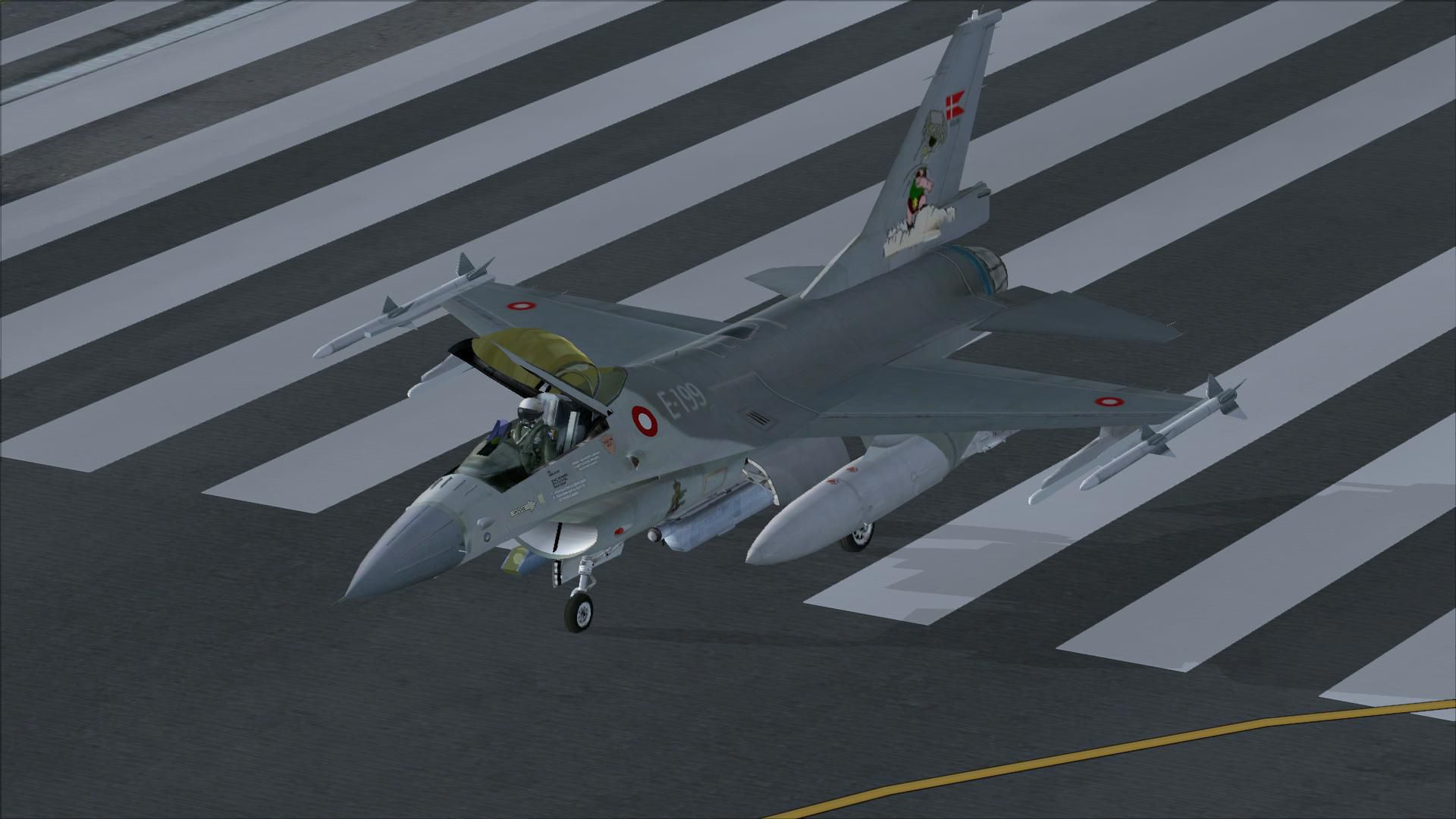
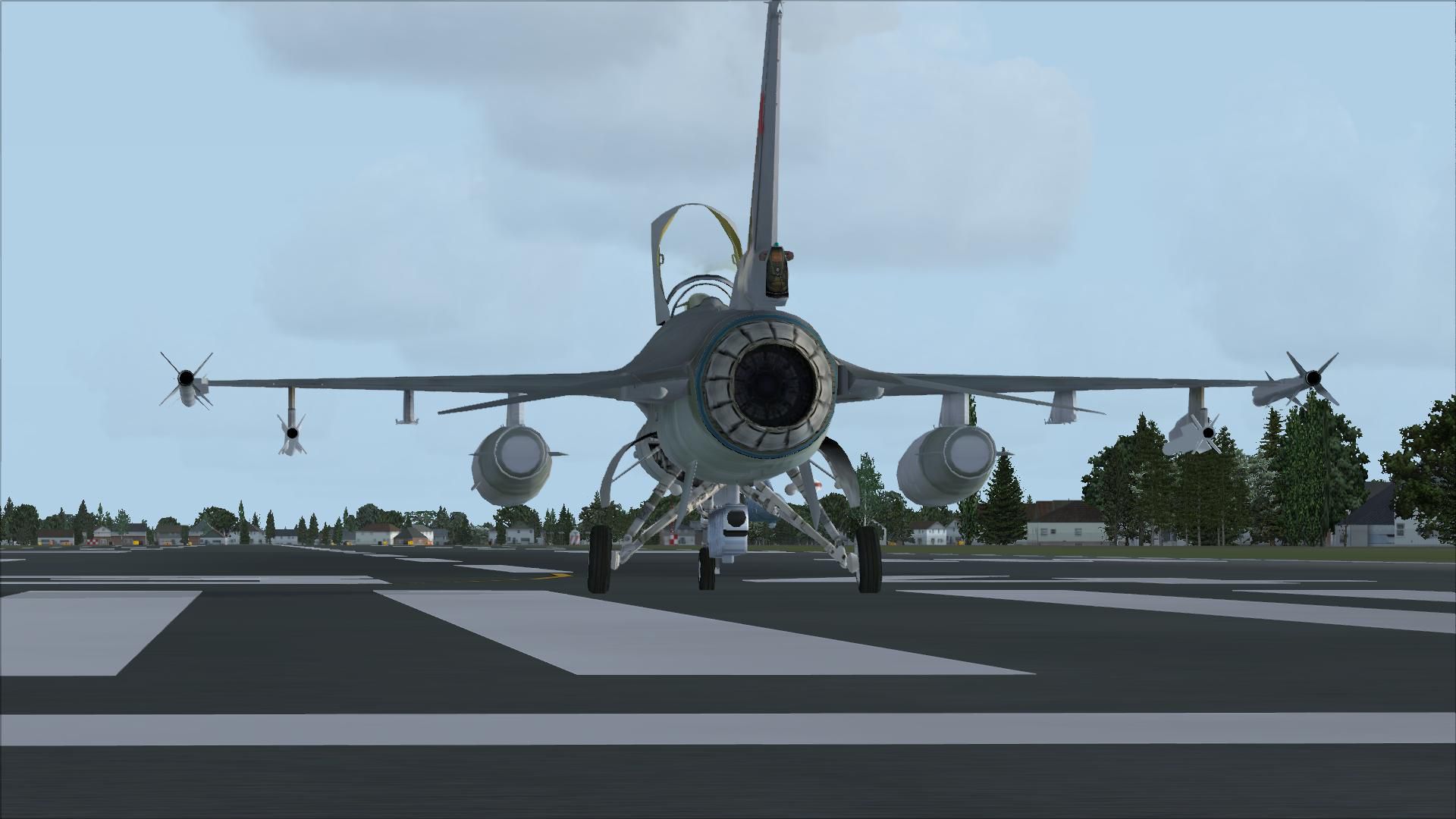
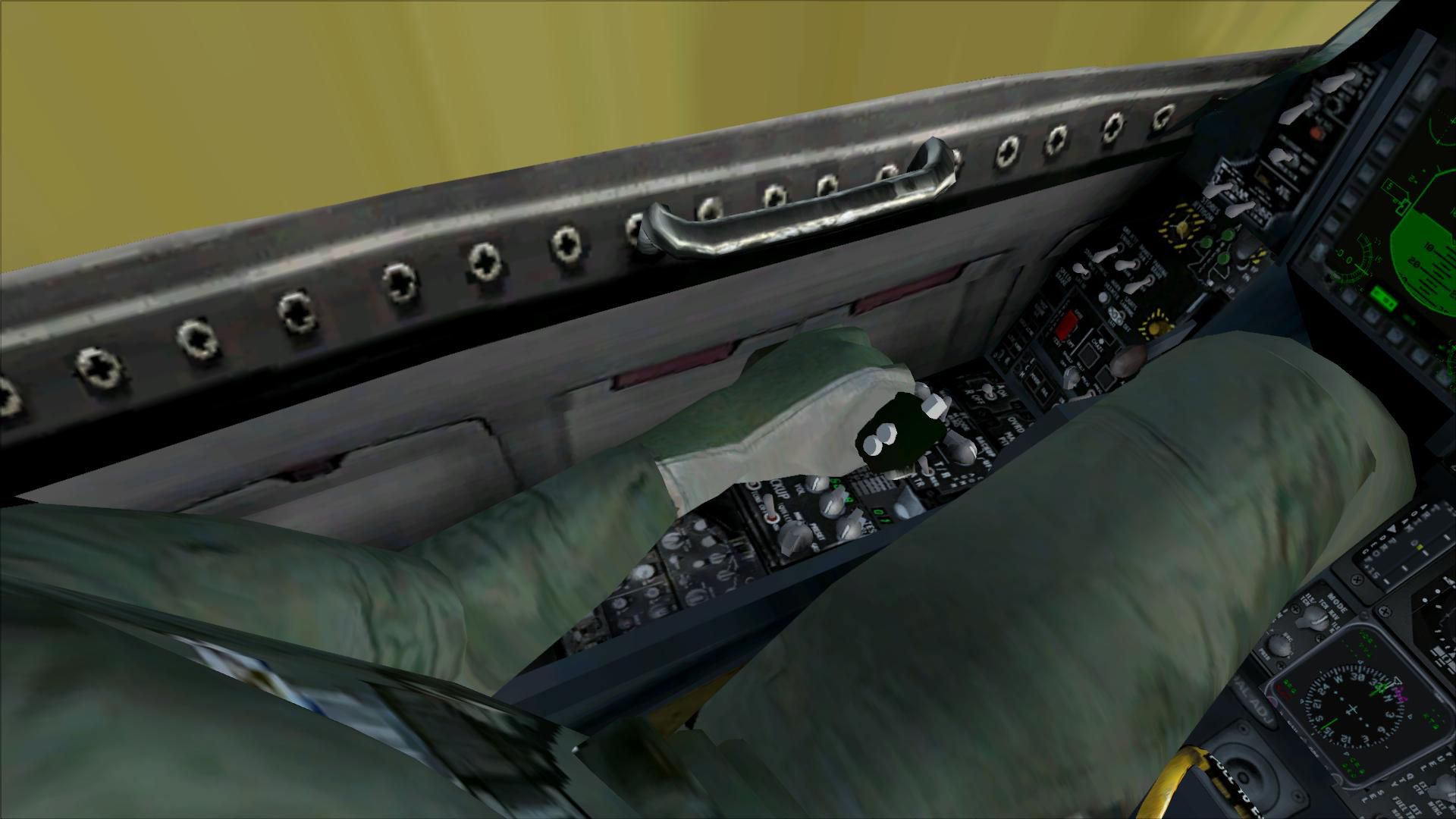

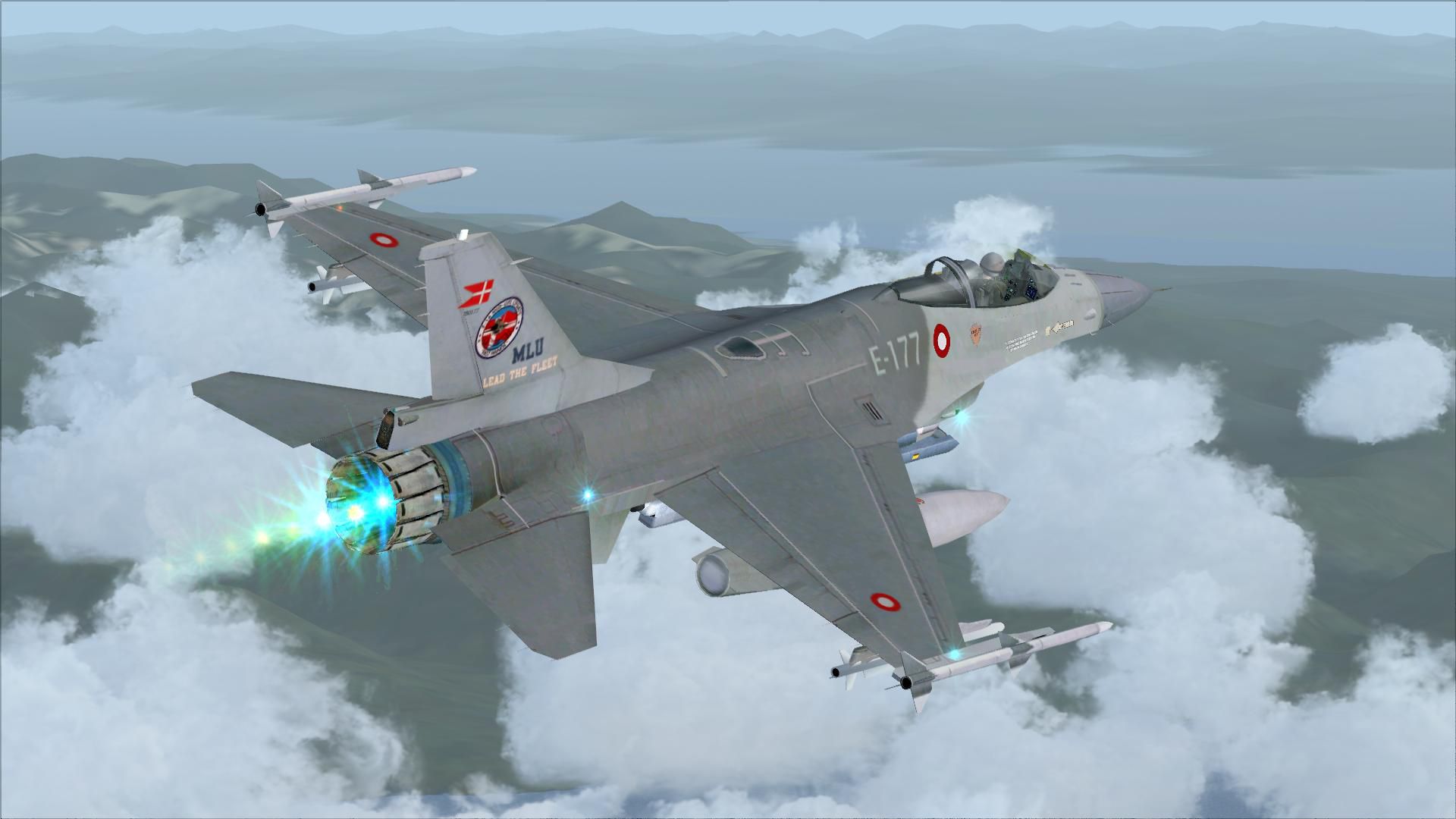
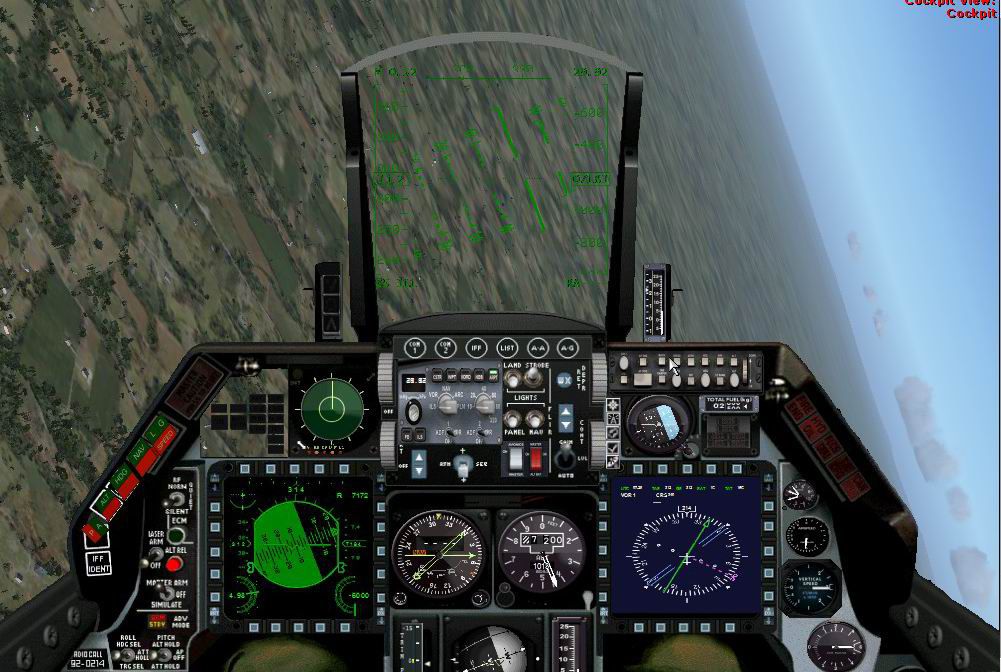
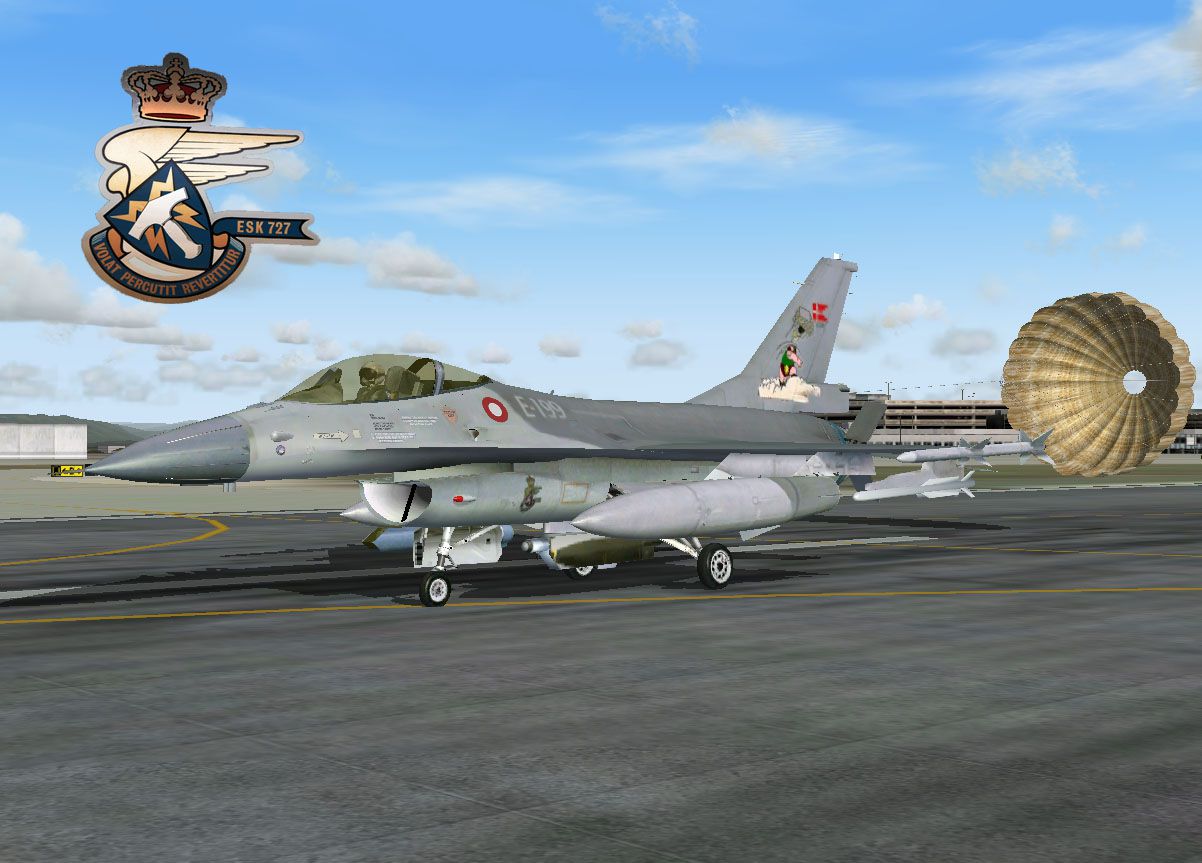
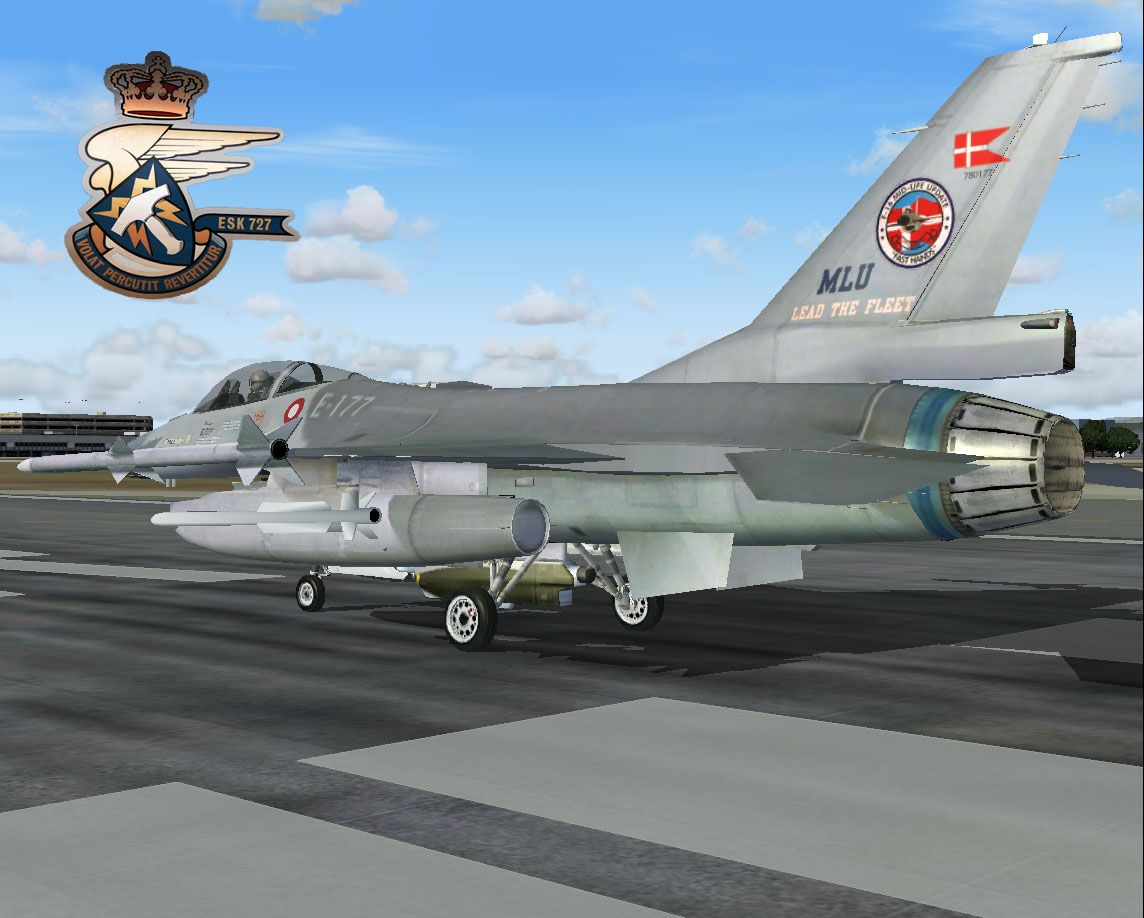
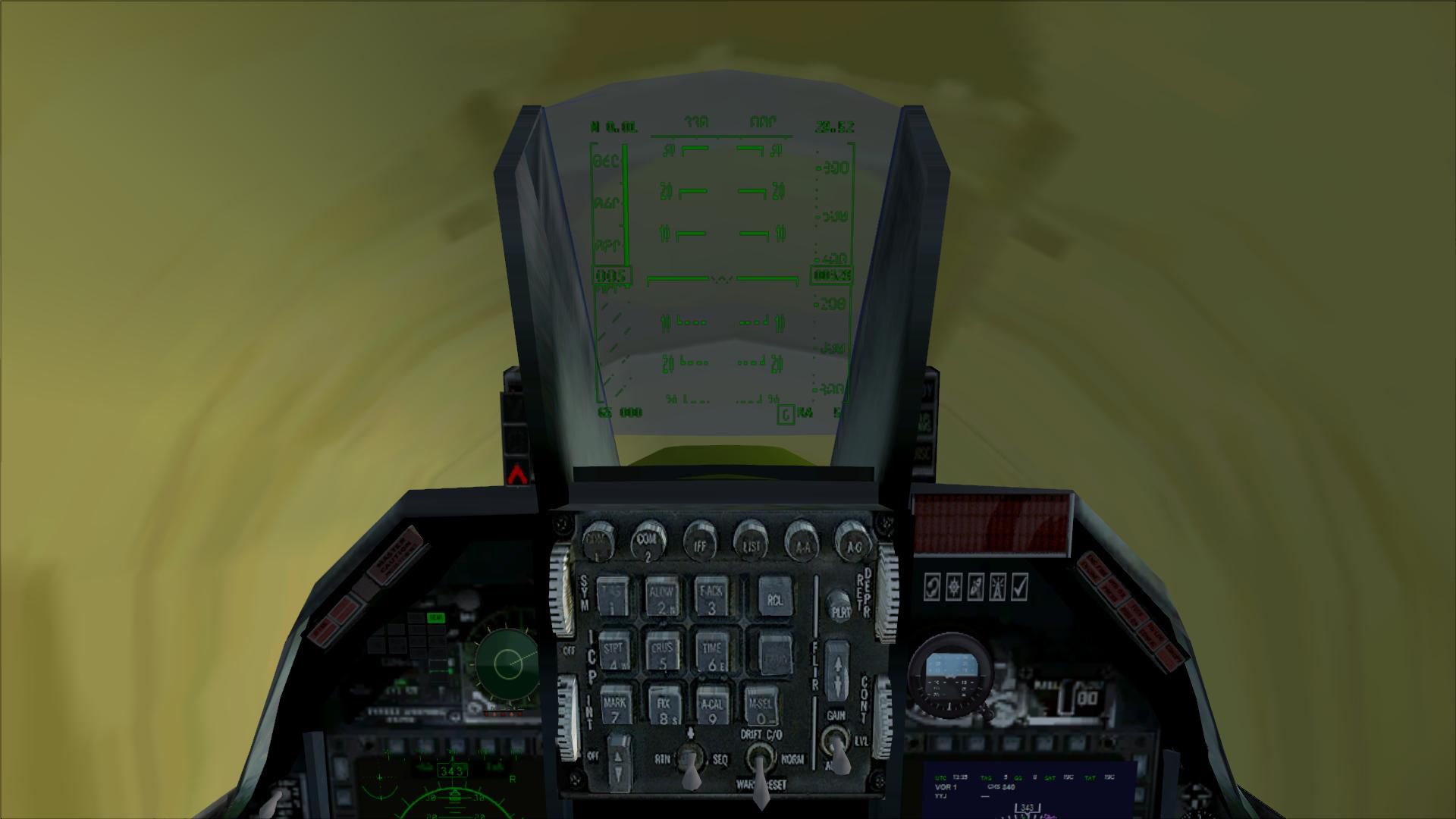
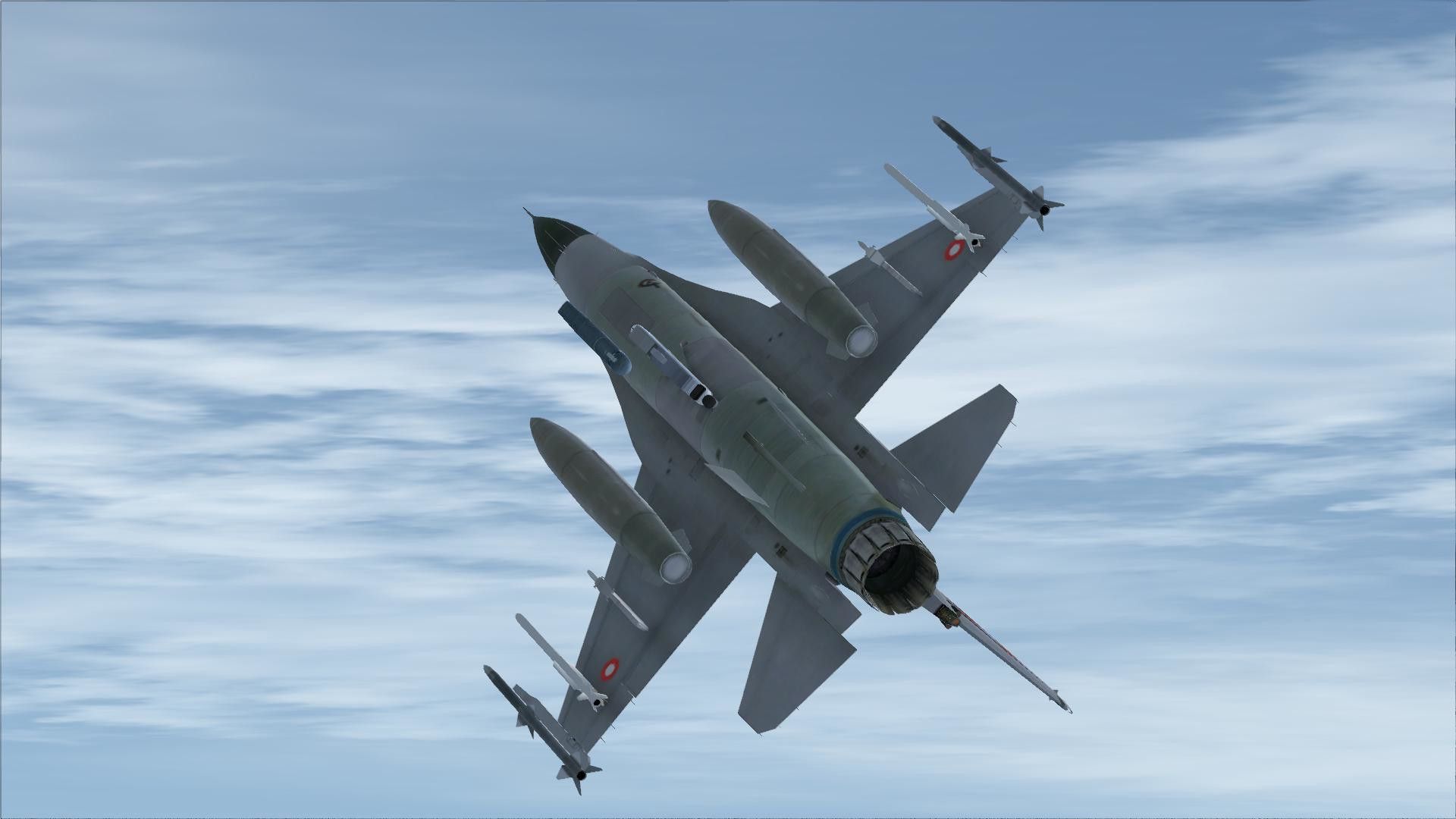
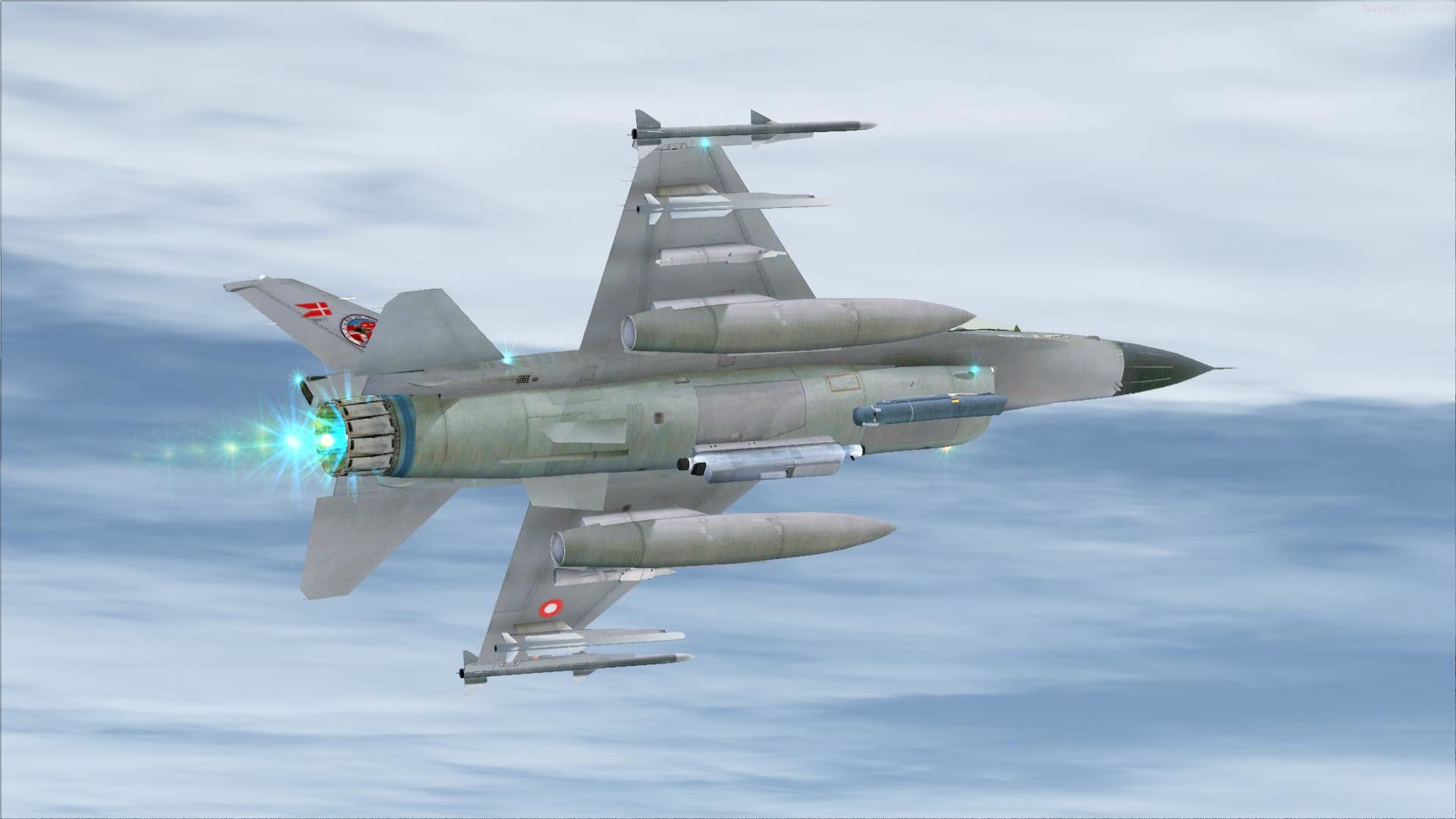


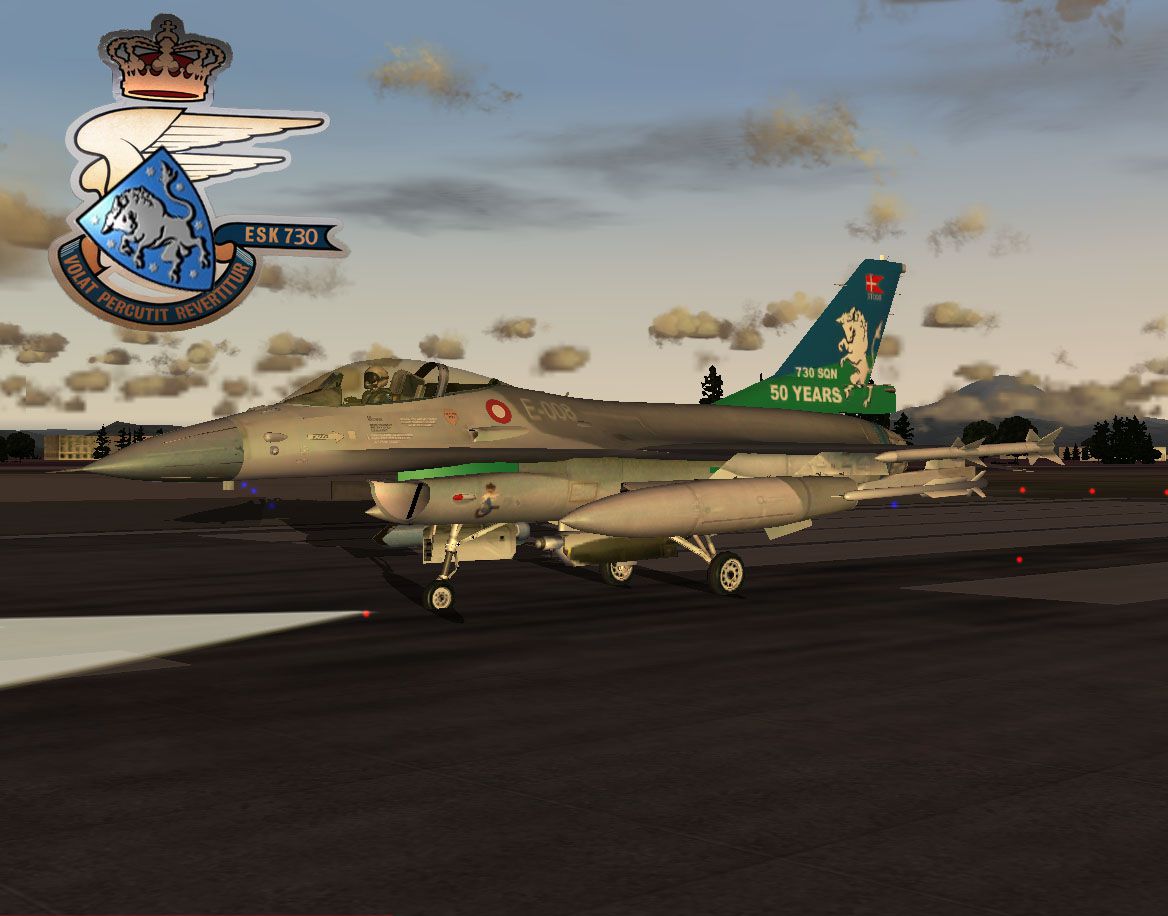
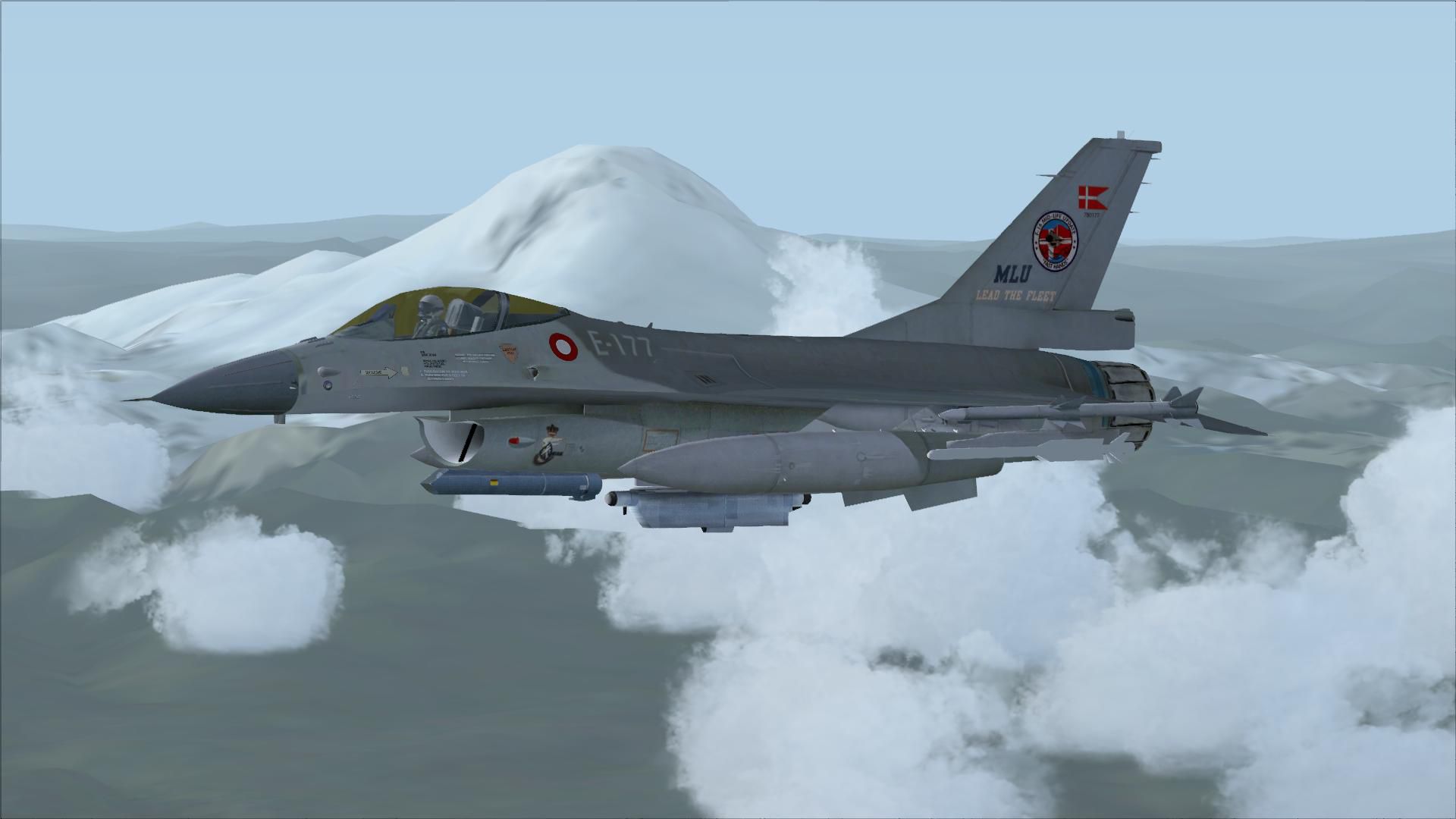
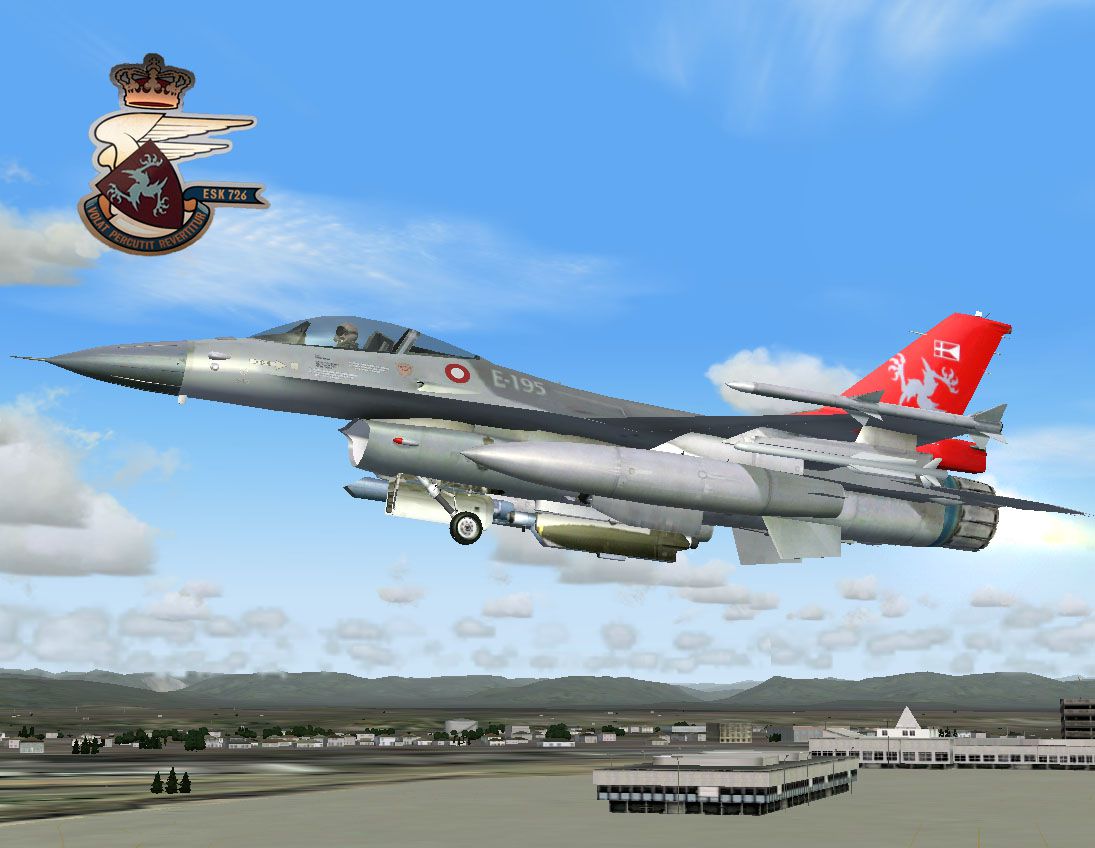
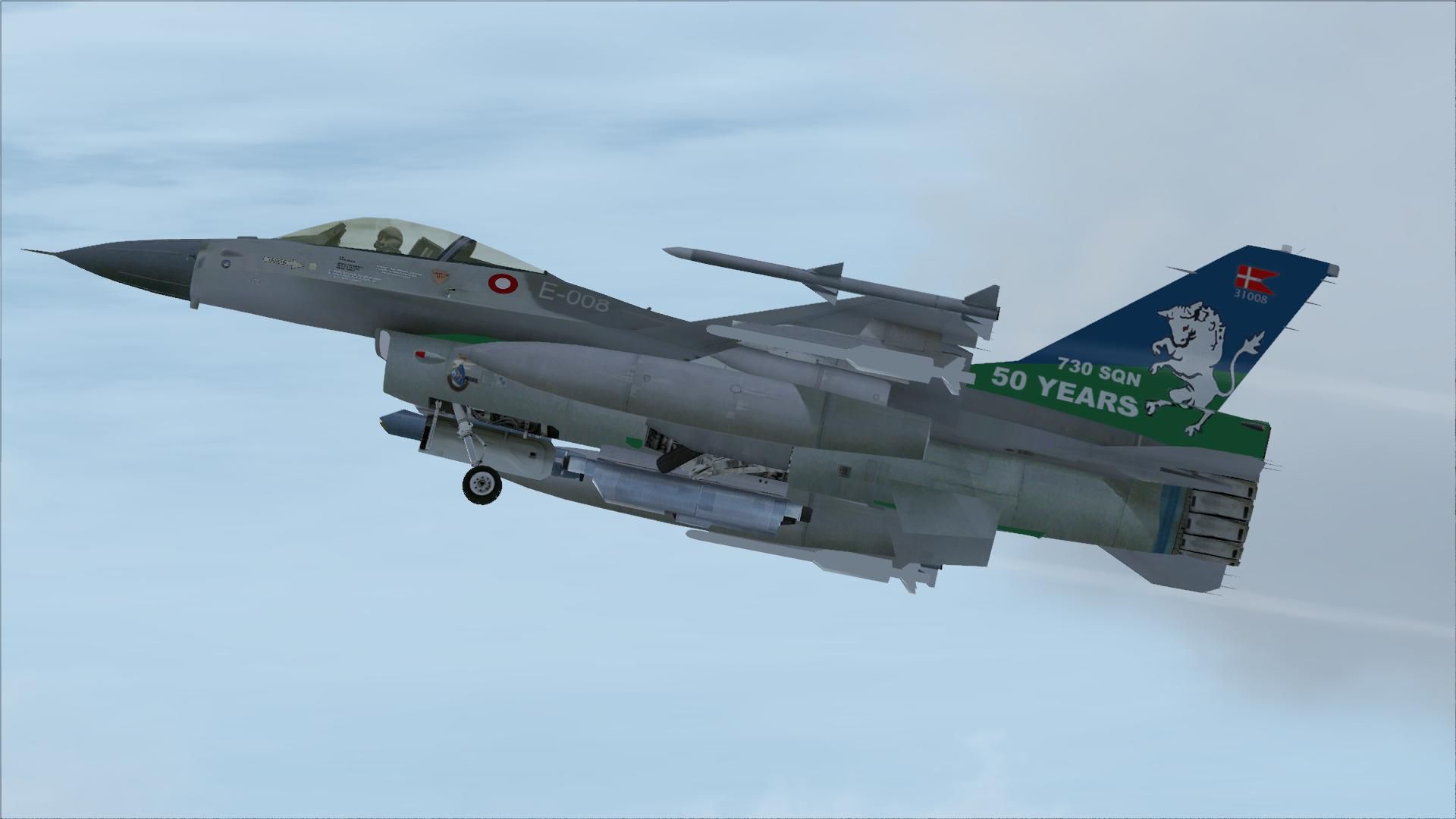
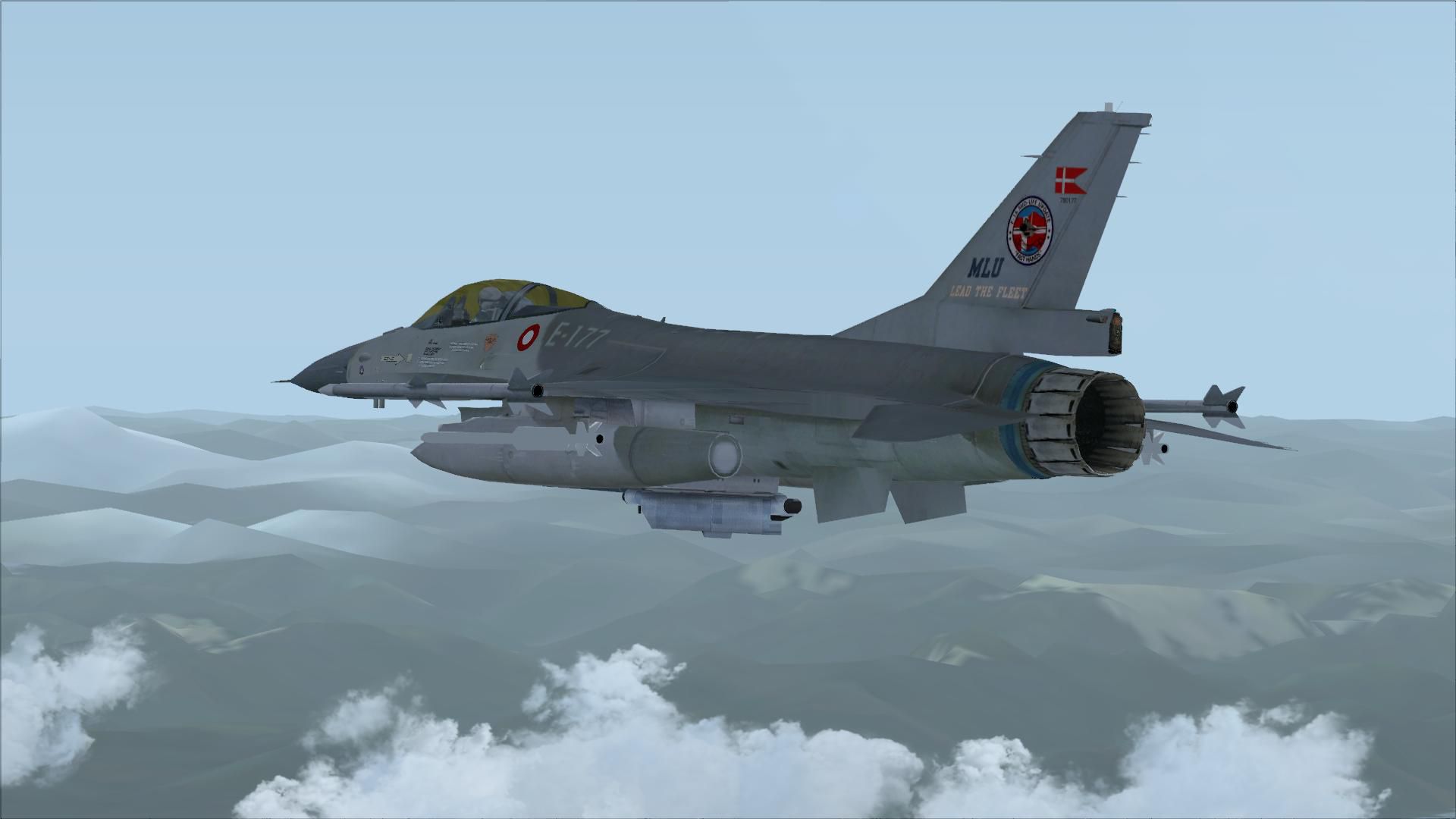
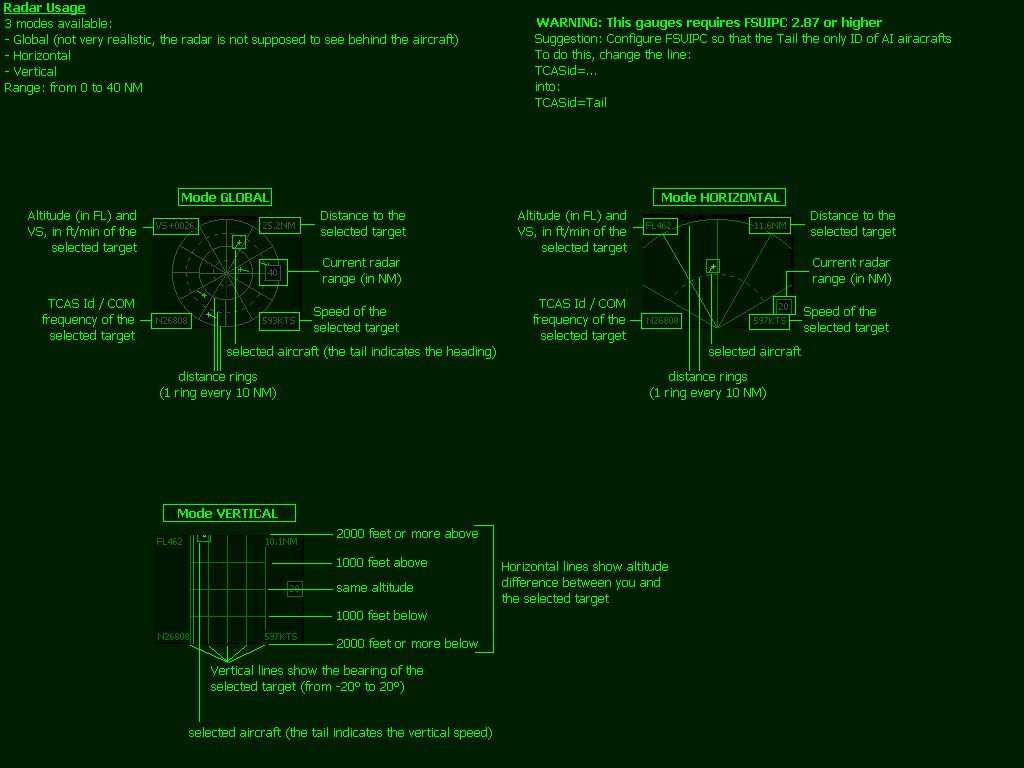

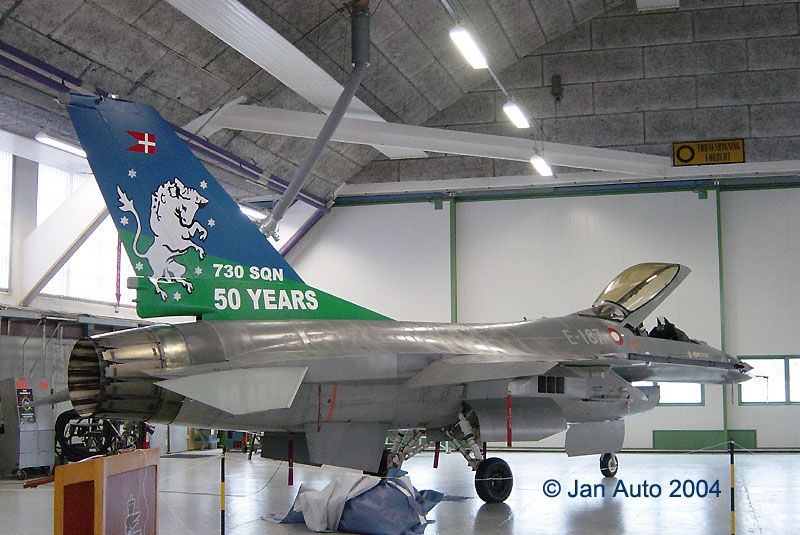
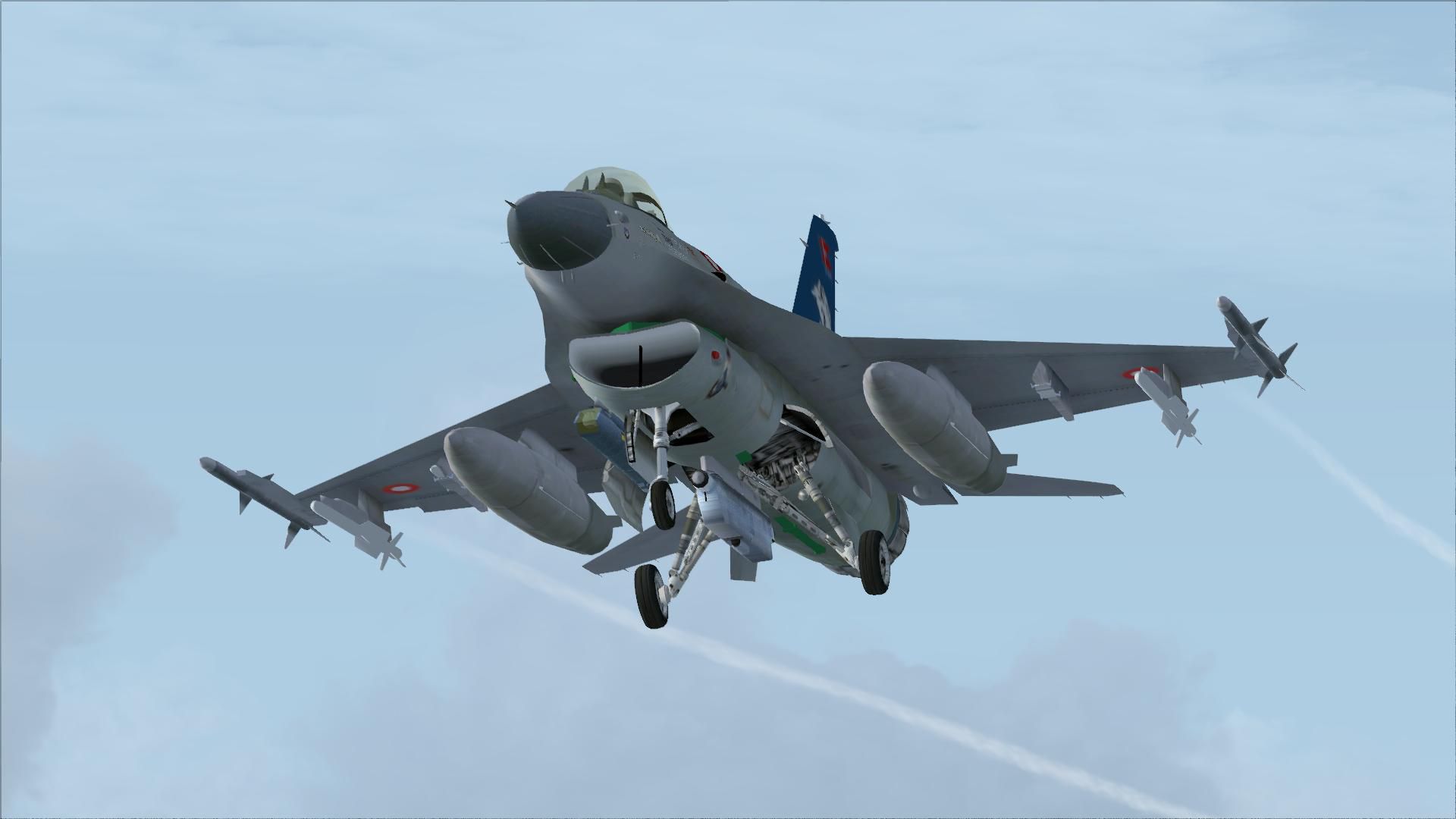

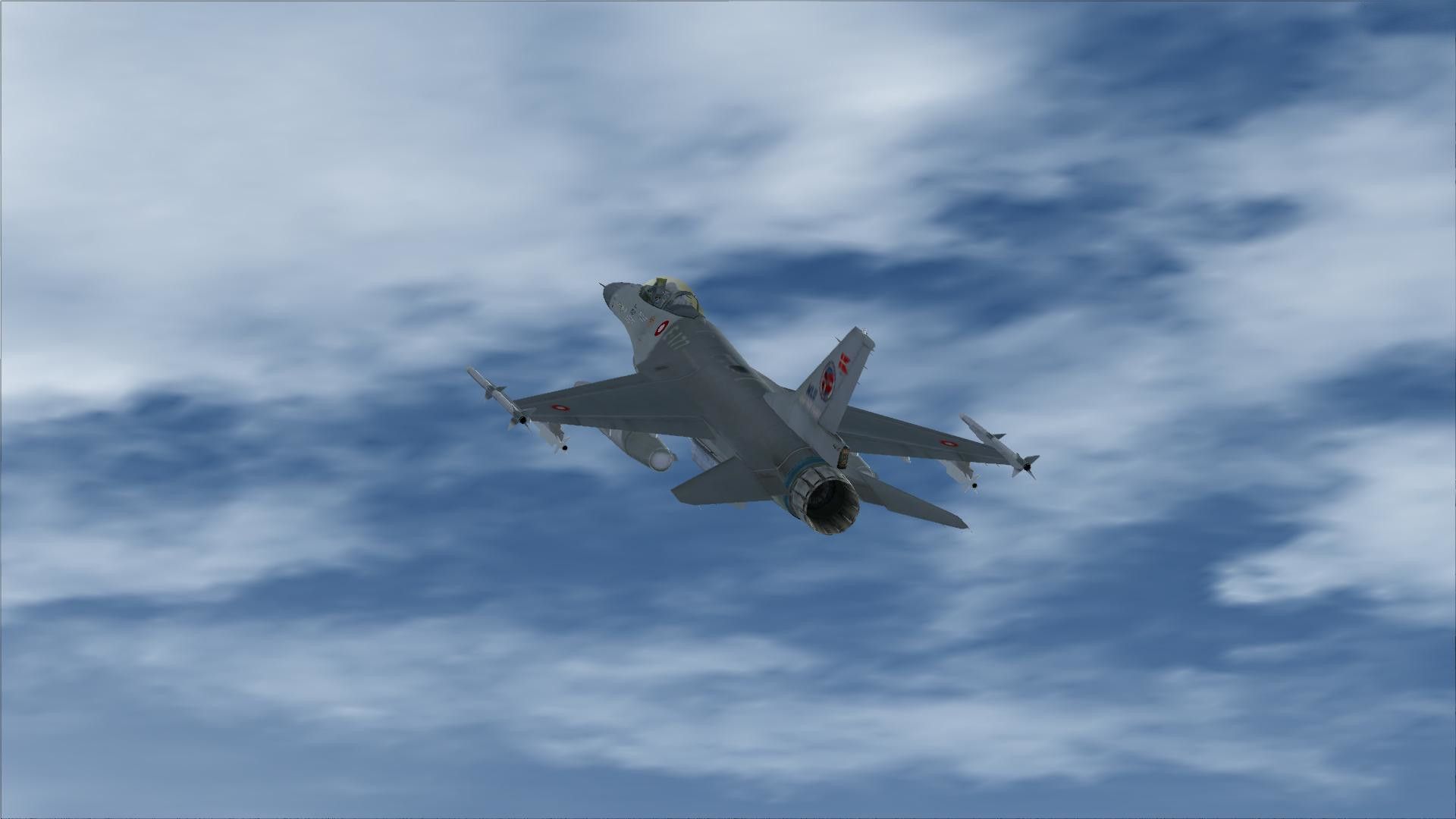

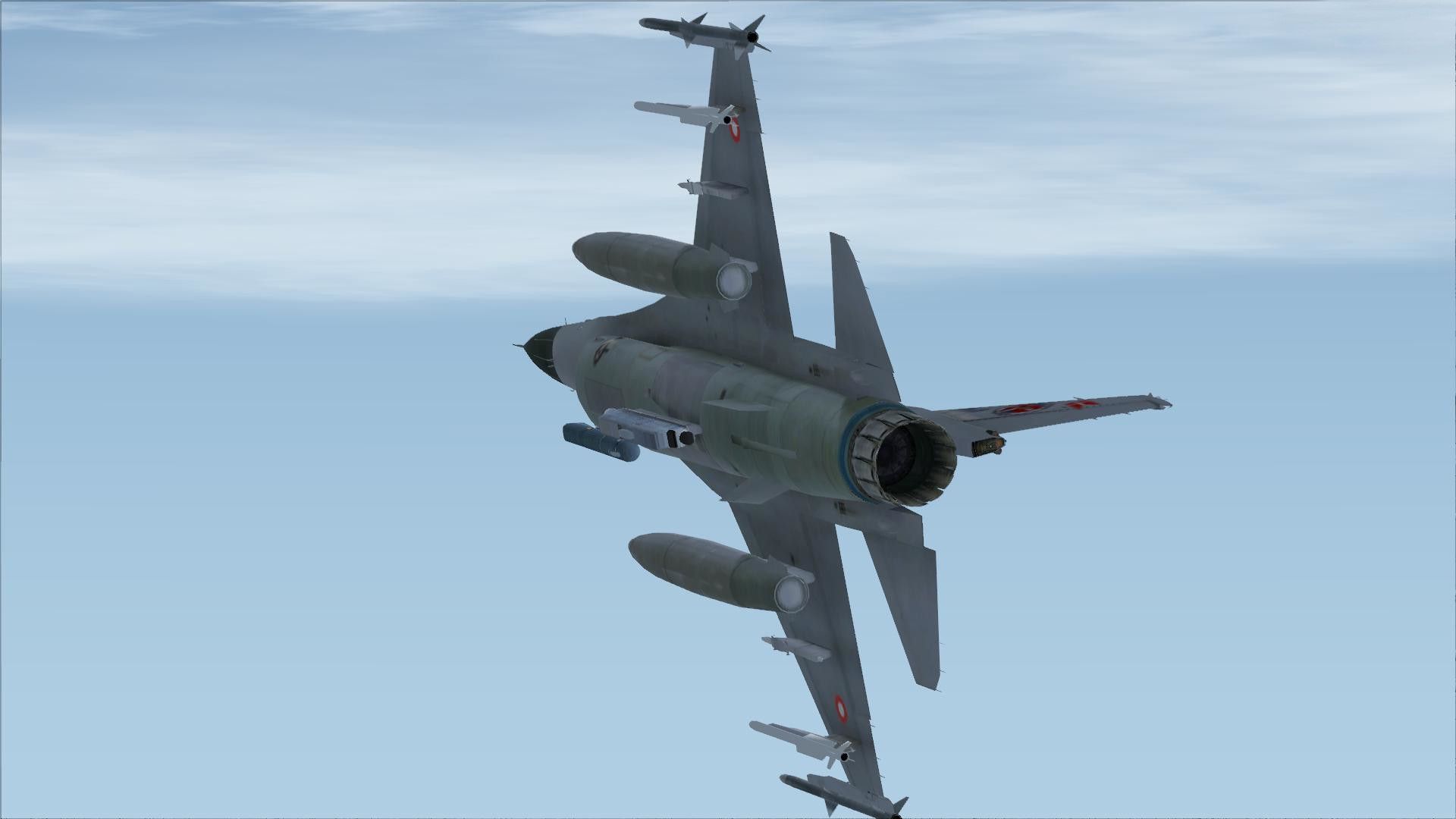

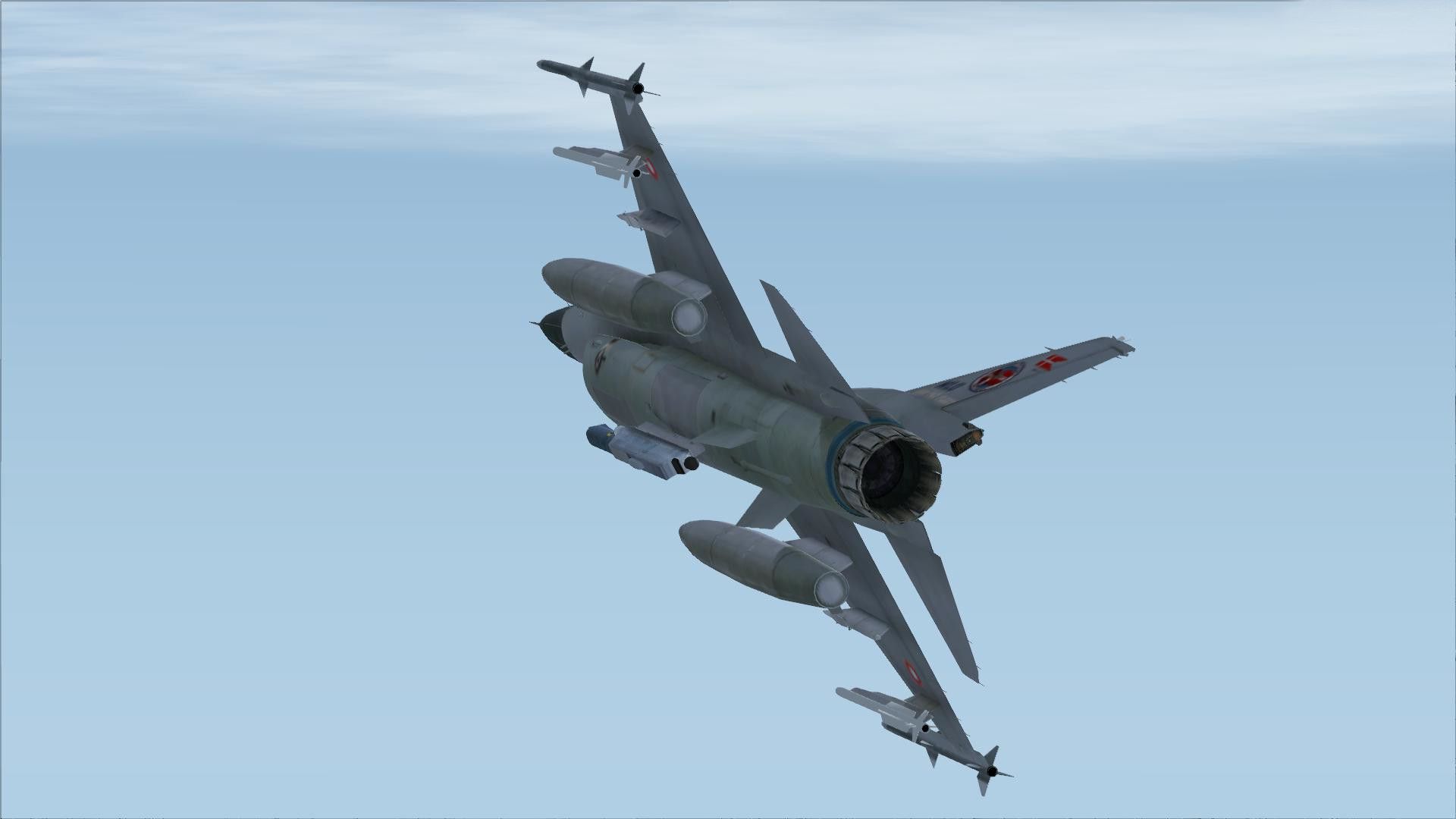
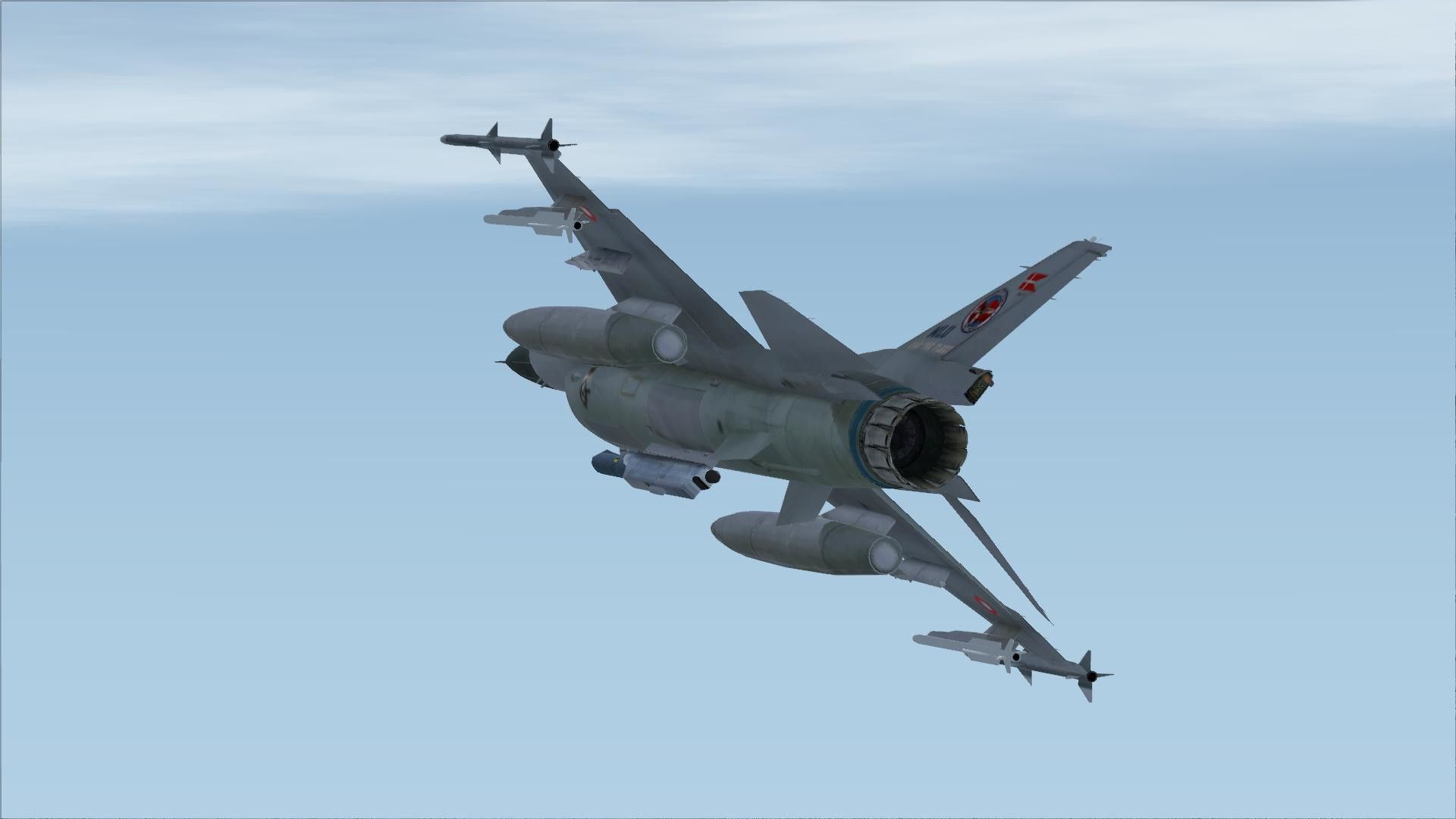
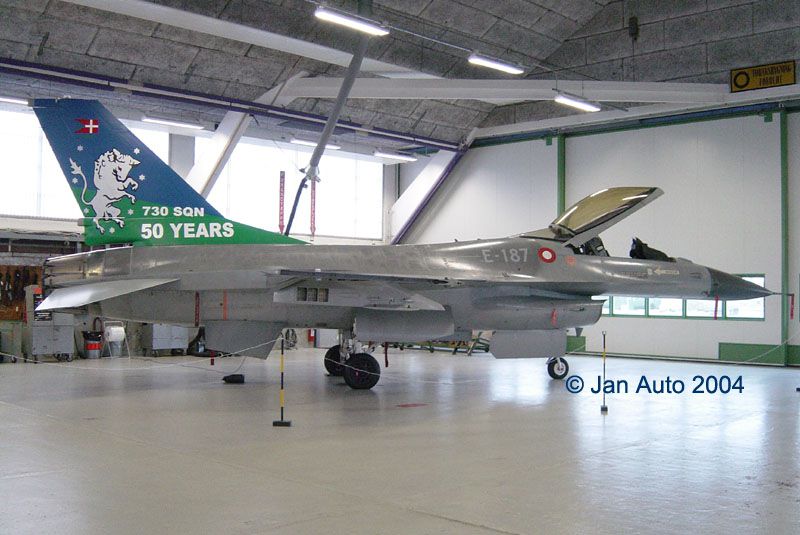
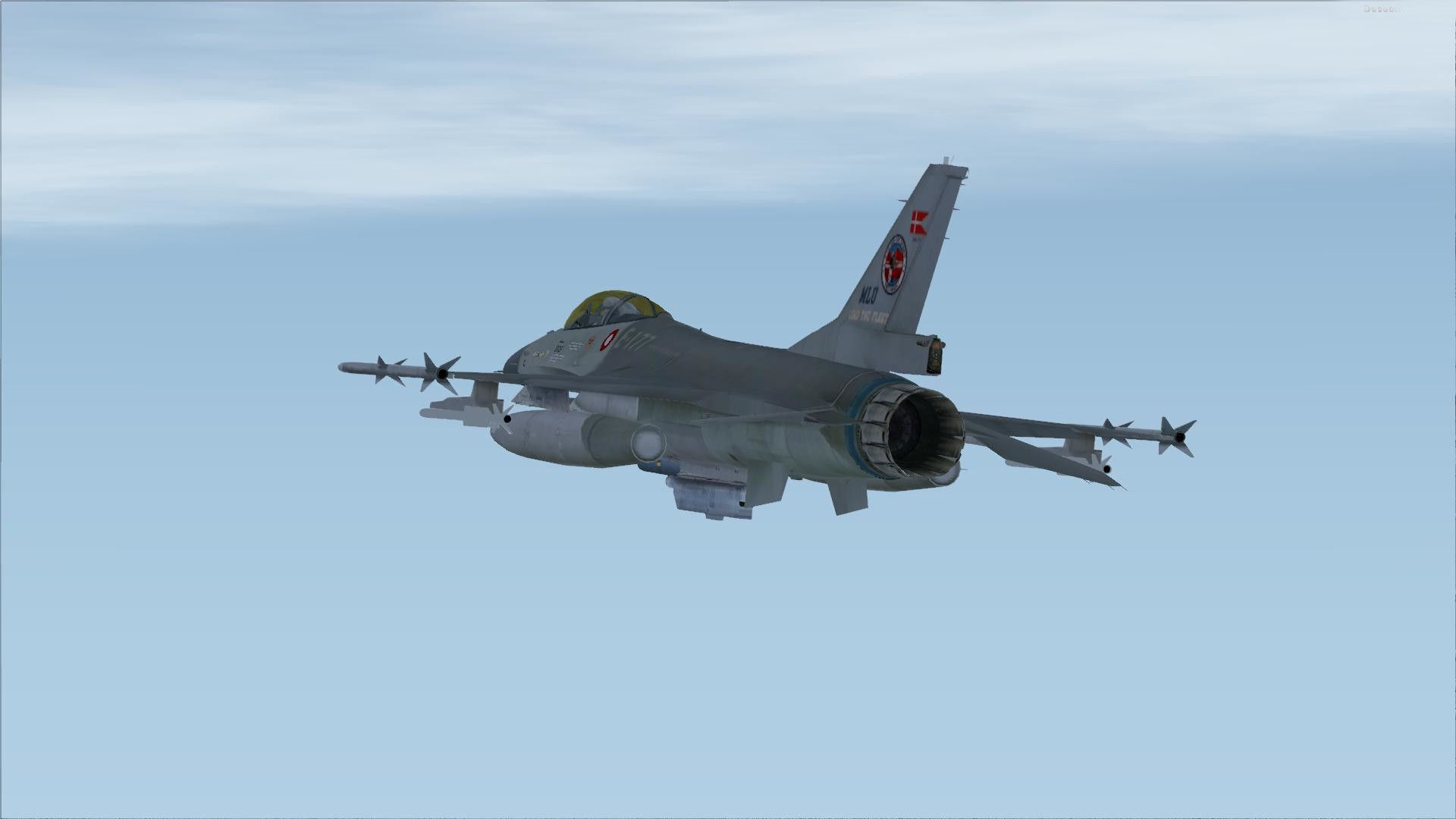
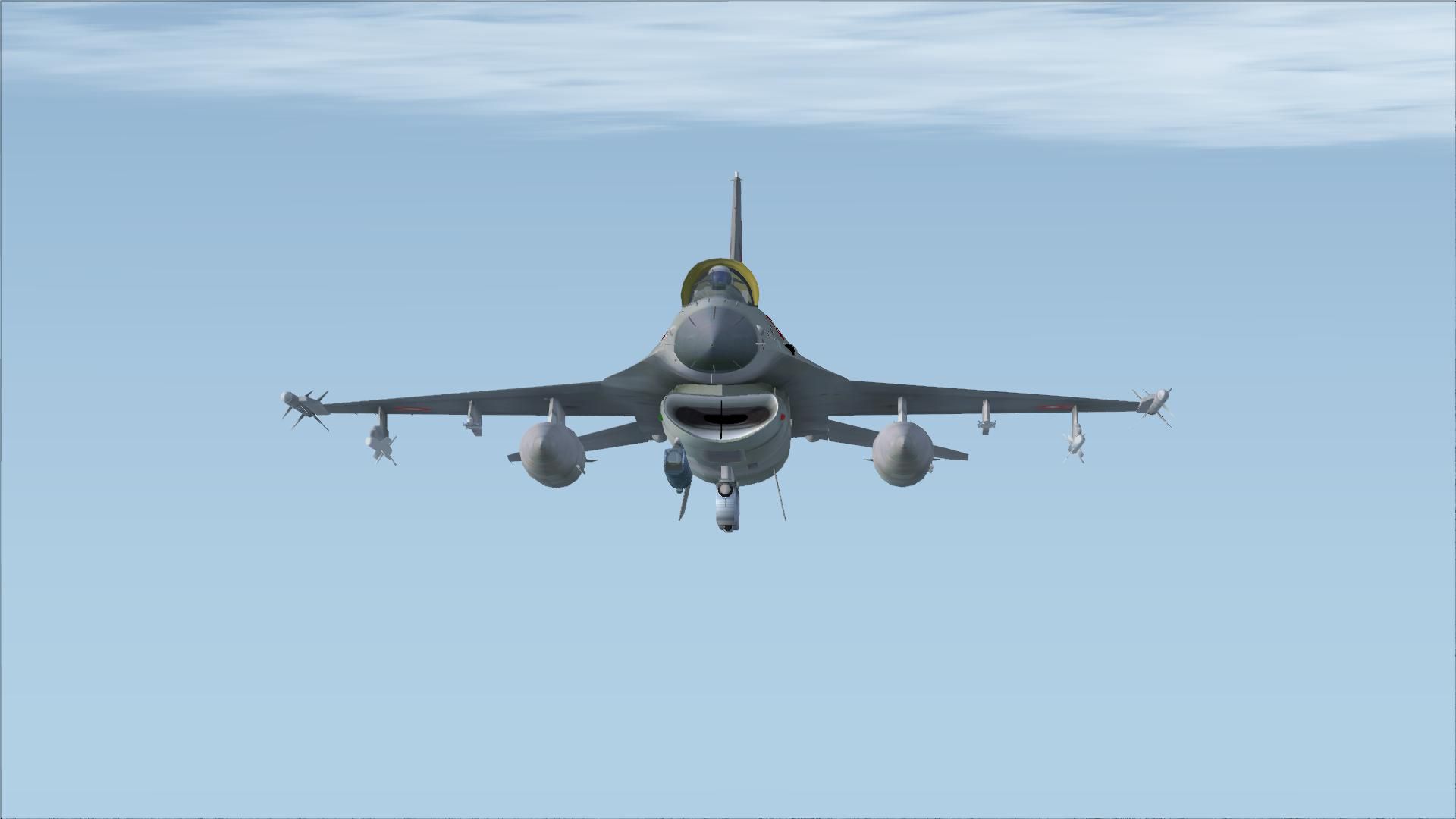

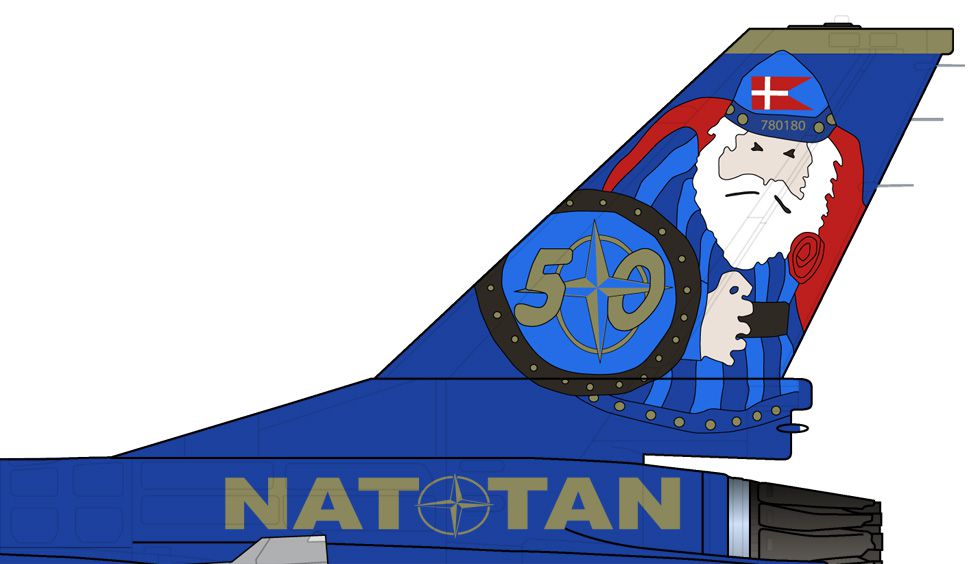

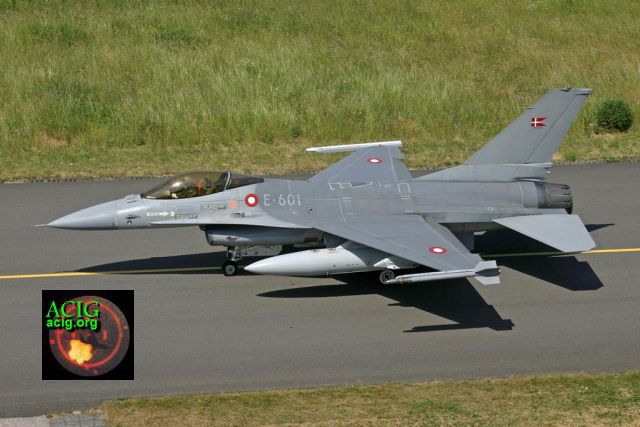
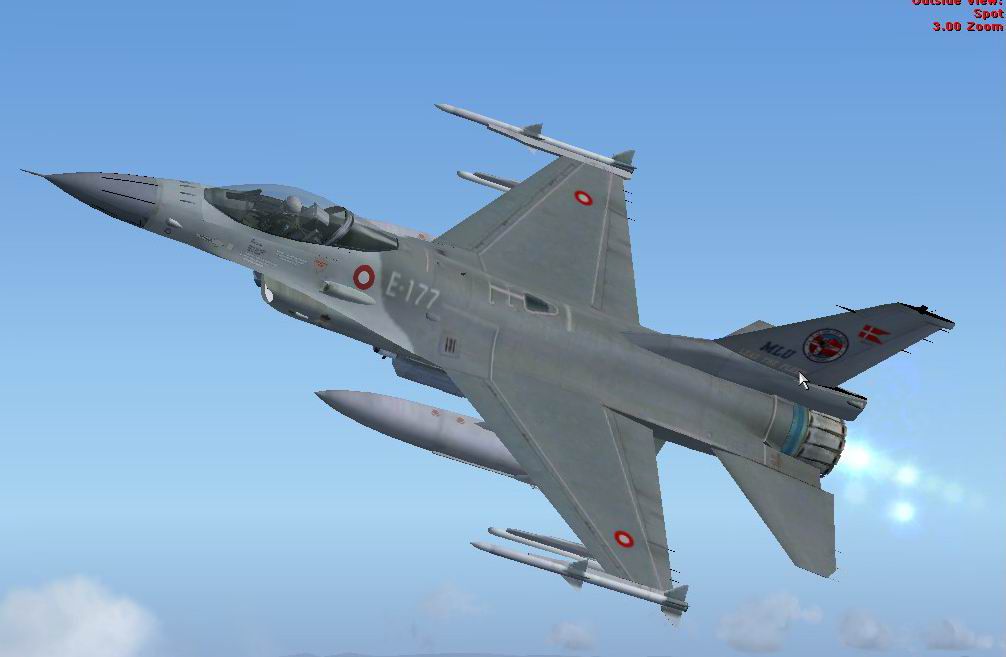
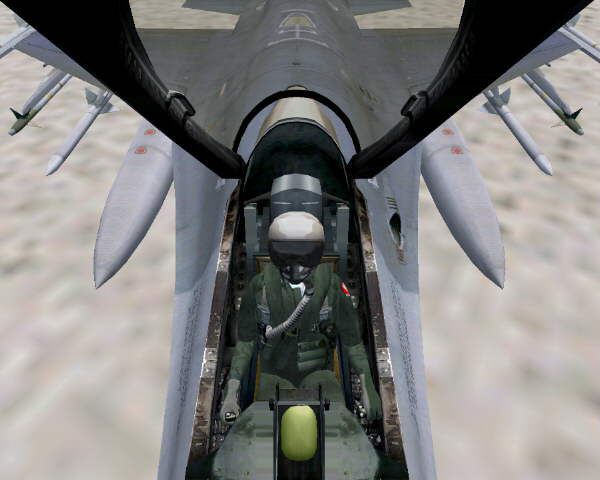
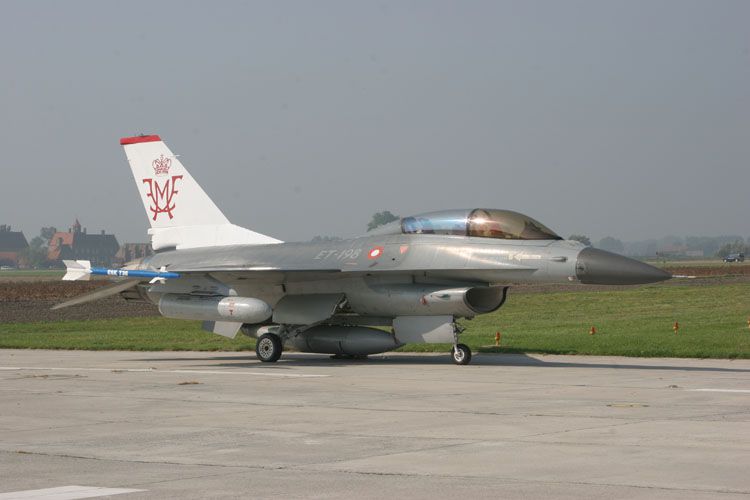
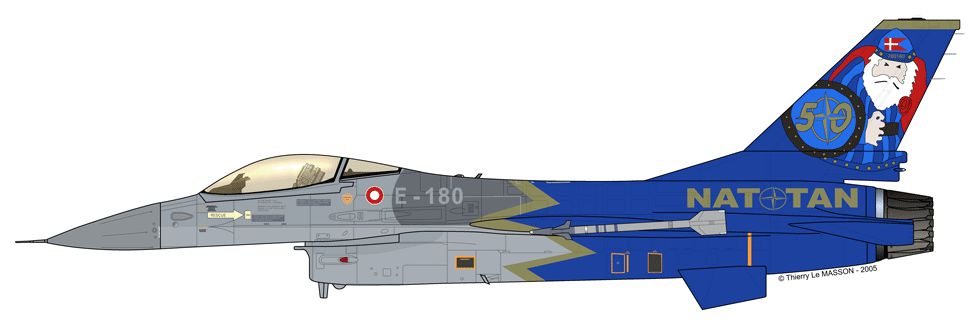
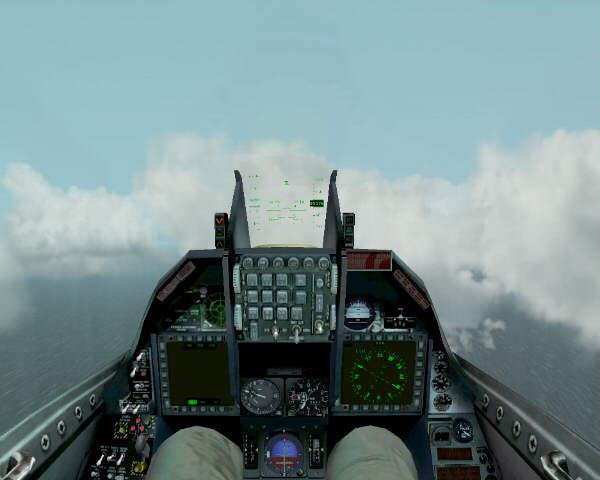
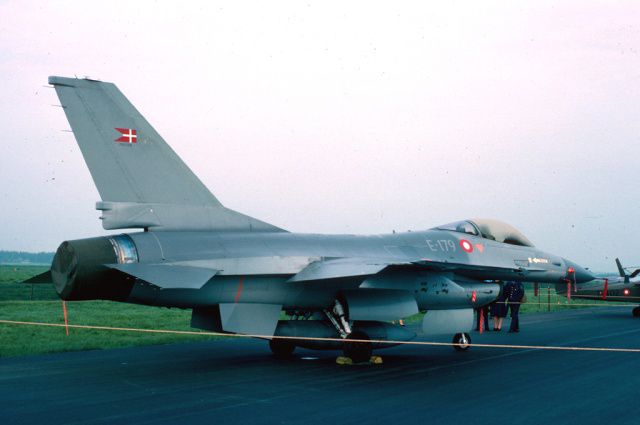
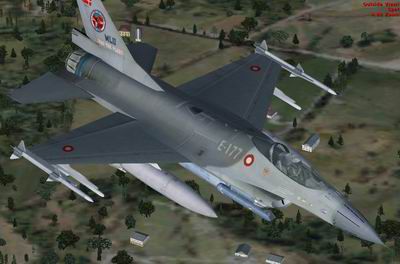
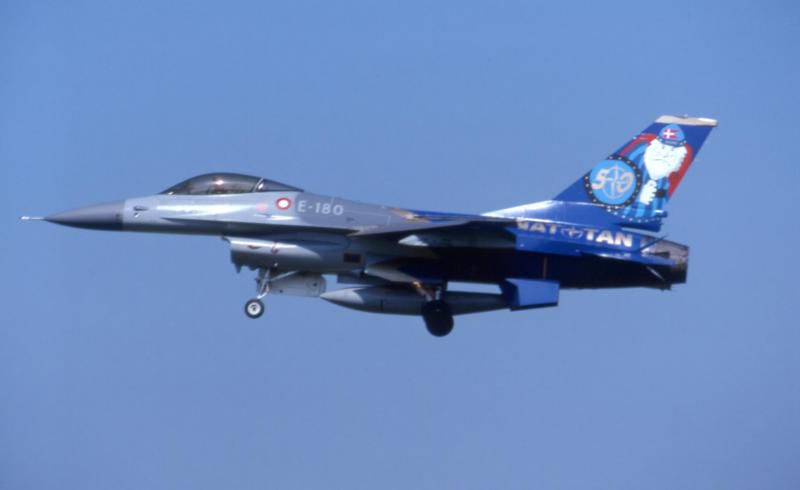
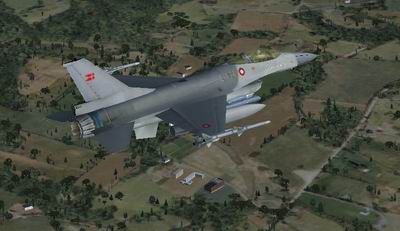


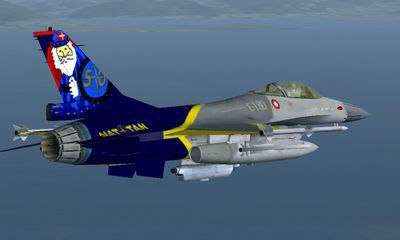
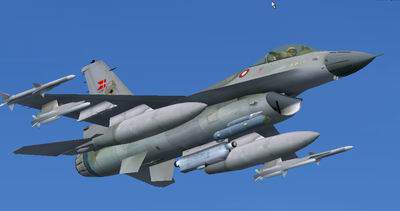
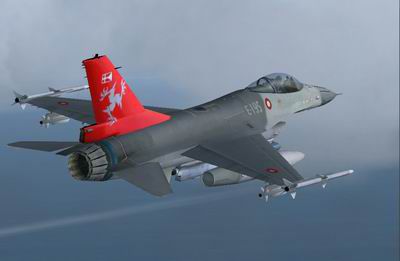



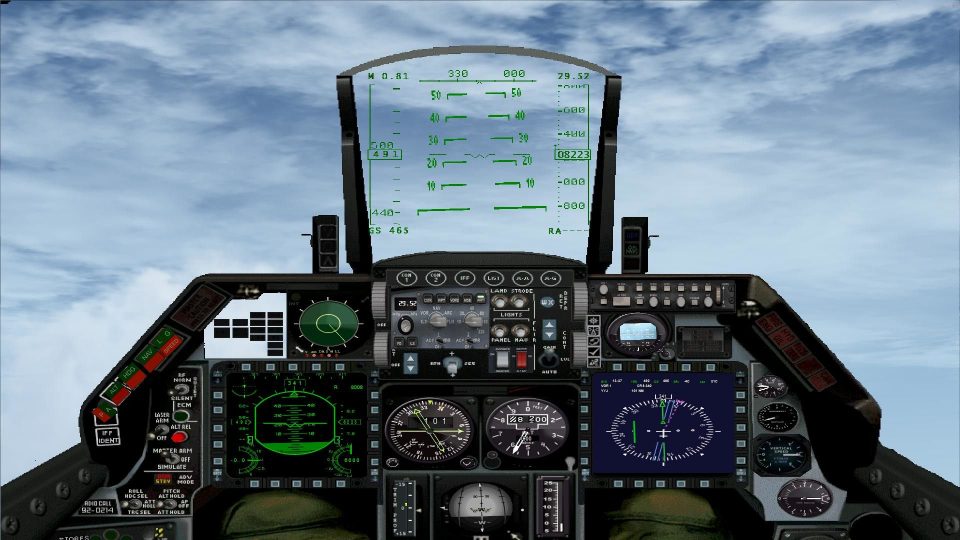
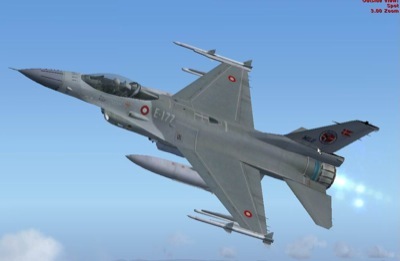
Complete aircraft with panel including working radar shows vAI traffic, panel VC, drag chute, and realistic F-16 sound. This package includes anything what's needed to fly this aircraft in flightsimulator. F-16A MLU M4 Fighting Falcon of the Royal Danish Air Force. The MLU M4 updates introduces a software tape enabling the aircraft to carry and deliver the latest air to ground munitions like the JDAM. In addition to the already advanced and highly capable AIM-120 AMRAAM, the super agile IRIS-T short range air-to-air missile has been introduced, replacing the AIM-9L Sidewinder. The Pantera targeting pod makes a new dimension in Air to Ground missions used together with the new HMCS (Helmet Mounted Cueing System). The Pylon Integrated Dispenser System has the ALQ-162 ECM pod built-in and complements ALQ-131 ECM pod, carried on the centre line. PIDS also enables carriage of more chaff, housed in the pylon. This model includes special modifications to the basic F-16 like the drag chute compartment, night interception search light and a typical weapon loadout of AMRAAM's, IRIS-T's, GBU-12's, PIDS and ALQ-131. The VC has been rebuild for better refresh rate. Reworked flight dynamics and new AB, vapor and exhaust smoke effects finish the package. Aircraft model by: Kirk Olsson. Repaint: Claus Vendelboe Holmberg.
TAKEOFF and LANDING tips
These are guidelines that may help you when taking off and landing in my F-16.
Takeoff:
Landing:
Free for all simmers · 82.39 MB · Scanned clean Sep 2026
Download speed: Free tier is capped at 0.5 Mbps (this file takes approximately 23 mins at the cap). PRO members download at full line speed.
SimObjects\Airplanes\, Addon Scenery\, Effects\, or Gauges\.readme.txt or README file. It tells you exactly where files go, what dependencies are needed, and any quirks specific to this add-on.The archive viperdnx.zip has 614 files and directories contained within it.
This list displays the first 500 files in the package. If the package has more, you will need to download it to view them.
| Filename/Directory | File Date | File Size |
|---|---|---|
| fx_f1light.fx | 09.04.05 | 12.23 kB |
| fx_f1lighta.fx | 09.05.05 | 2.78 kB |
| fx_kbeacongreen.fx | 10.16.02 | 3.03 kB |
| fx_kbeaconred.fx | 10.16.02 | 3.03 kB |
| fx_kbeaconwhite.fx | 01.16.03 | 1.09 kB |
| fx_kcontrail.fx | 12.06.02 | 1.17 kB |
| fx_kf16exhaust.fx | 12.22.05 | 1.21 kB |
| fx_kLVIPER.fx | 11.05.02 | 1.24 kB |
| fx_knavgre.fx | 06.03.02 | 4.55 kB |
| fx_knavred.fx | 10.16.02 | 4.55 kB |
| fx_knavwhi.fx | 08.08.01 | 2.99 kB |
| fx_kstrobe.fx | 06.03.02 | 2.46 kB |
| fx_ktchdwn.fx | 05.09.03 | 2.32 kB |
| fx_kvapor.fx | 06.26.03 | 3.63 kB |
| fx_kvapor_alt.fx | 06.26.03 | 10.71 kB |
| fx_kVbeacon.fx | 10.16.02 | 3.04 kB |
| fx_kvclight.fx | 10.18.02 | 1.30 kB |
| FSUIPC.dll | 04.29.06 | 240.12 kB |
| FSUIPC.key | 05.24.06 | 34 B |
| 2dpanel.JPG | 04.05.09 | 126.13 kB |
| Aircraft.cfg | 04.05.09 | 20.30 kB |
| Inflight.JPG | 04.05.09 | 44.57 kB |
| Model.cfg | 05.17.06 | 26 B |
| Viper_NOR.mdl | 05.01.06 | 3.32 MB |
| f16bJP.pdf | 06.20.05 | 401.61 kB |
| panel_doc_radar.gif | 06.25.03 | 22.52 kB |
| payload weight's.log | 09.08.03 | 2.43 kB |
| read meSound.txt | 05.22.05 | 227 B |
| 0.jpg | 05.17.06 | 66.12 kB |
| 039.gif | 05.28.06 | 37.86 kB |
| 5.jpg | 05.28.06 | 96.46 kB |
| 50 år jub.bmp | 05.17.06 | 1.31 MB |
| 6023763.blueF16wadd99.jpg | 05.17.06 | 16.09 kB |
| danishf16.jpg | 05.17.06 | 131.49 kB |
| E-187_01.jpg | 05.17.06 | 102.69 kB |
| E-187_02.jpg | 05.17.06 | 124.72 kB |
| E-187_03.jpg | 05.17.06 | 128.86 kB |
| F-16A%20-%20E-180%20Dannemark%20derive.jpg | 05.28.06 | 142.78 kB |
| fast hands.bmp | 05.17.06 | 1.18 MB |
| ikke-navngivet.bmp | 05.28.06 | 2.00 MB |
| images.jpg | 05.19.06 | 36.07 kB |
| photo4.jpg | 05.28.06 | 55.24 kB |
| rdaf_f16am_e-601_vincent_jacques.jpg | 05.17.06 | 142.20 kB |
| special_1.gif | 05.17.06 | 59.02 kB |
| Thumbs.db | 05.28.06 | 57.00 kB |
| REPAINTreadme.txt | 01.28.04 | 1.15 kB |
| REPAINTS.txt | 09.08.03 | 227 B |
| Takeoff and landing tip's.txt | 04.24.06 | 1.21 kB |
| 726.bmp | 05.28.06 | 930.30 kB |
| 727.bmp | 05.28.06 | 930.30 kB |
| 730.bmp | 05.28.06 | 930.30 kB |
| E-008.jpg | 05.28.06 | 141.97 kB |
| E-174.jpg | 05.28.06 | 145.21 kB |
| E-177.jpg | 05.28.06 | 157.17 kB |
| E-180.jpg | 05.28.06 | 711.25 kB |
| E-195.jpg | 05.28.06 | 142.88 kB |
| E-199.jpg | 05.28.06 | 166.92 kB |
| Panel.jpg | 05.28.06 | 516.25 kB |
| patch1.jpg | 05.27.06 | 49.95 kB |
| patch2.jpg | 05.28.06 | 39.43 kB |
| patch3.jpg | 05.28.06 | 56.36 kB |
| pilot.JPG | 07.03.03 | 31.54 kB |
| Thumbs.db | 05.28.06 | 72.00 kB |
| VRcockpit.JPG | 07.03.03 | 26.88 kB |
| Thumbs.db | 05.28.06 | 109.50 kB |
| VIPER Setup Guide.doc | 05.28.06 | 1.80 MB |
| _File_ID & Install_readme.txt | 05.28.06 | 3.54 kB |
| Airbus_A321.cab | 05.11.07 | 2.72 MB |
| Alpha FSX SR71.cab | 03.09.08 | 232.95 kB |
| ALPHA_F-107A.cab | 03.28.05 | 402.86 kB |
| Autopilot.bmp | 10.01.98 | 7.74 kB |
| B737_800.cab | 05.11.07 | 2.01 MB |
| Bendix_King_Radio | 05.09.07 | 3.60 MB |
| Bombardier_CRJ_700.cab | 09.04.06 | 2.20 MB |
| c17_hudasi.gau | 12.01.00 | 60.50 kB |
| c17_hudhdg.gau | 12.01.00 | 58.50 kB |
| c17_hudralt.gau | 12.01.00 | 62.50 kB |
| c17_hudvsi.gau | 12.01.00 | 65.50 kB |
| Cessna208.gau | 06.12.03 | 2.71 MB |
| dfa18_fx.cab | 04.27.04 | 68.62 kB |
| F16.gau | 06.26.02 | 1.53 MB |
| F16C.bmp | 03.13.02 | 769.05 kB |
| F16_Falcon.bmp | 04.05.09 | 769.05 kB |
| FORWARD_LEFT.bmp | 06.25.02 | 769.05 kB |
| FORWARD_RIGHT.bmp | 06.25.02 | 769.05 kB |
| fs9gps.cab | 09.05.06 | 550.10 kB |
| ADFARW.bmp | 01.16.07 | 16.94 kB |
| AOABRK2.bmp | 01.16.07 | 1.60 kB |
| AOABRK2_Tom.bmp | 01.16.07 | 926 B |
| AOABRKT.bmp | 01.16.07 | 1.60 kB |
| AOABRKT_Tom.bmp | 01.16.07 | 926 B |
| AoA_Indexer65.xml | 01.16.07 | 1.63 kB |
| AoA_ind_001-background2.bmp | 01.16.07 | 4.66 kB |
| AoA_ind_001-green.bmp | 01.16.07 | 4.66 kB |
| AoA_ind_001-greenyellow.bmp | 01.16.07 | 4.66 kB |
| AoA_ind_001-red.bmp | 01.16.07 | 4.66 kB |
| AoA_ind_001-yellow.bmp | 01.16.07 | 4.66 kB |
| AoA_ind_001-yellowred.bmp | 01.16.07 | 4.66 kB |
| BACK.bmp | 01.16.07 | 204.12 kB |
| BALL.bmp | 01.16.07 | 2.28 kB |
| BLLMSK.bmp | 01.16.07 | 137.36 kB |
| BNKARRW.bmp | 01.16.07 | 8.93 kB |
| BNKARRW2.bmp | 01.16.07 | 8.93 kB |
| BTTNMID1.bmp | 01.16.07 | 2.62 kB |
| BTTNmid2.bmp | 01.16.07 | 2.62 kB |
| BttnOff.bmp | 01.16.07 | 2.62 kB |
| Bttnon.bmp | 01.16.07 | 2.62 kB |
| Copy of HUDHornet.xml | 01.16.07 | 72.82 kB |
| CRSBUG.bmp | 01.16.07 | 1.38 kB |
| CRSBUG2.bmp | 01.16.07 | 1.38 kB |
| GRNHGH.bmp | 01.16.07 | 12.77 kB |
| GSNDL.bmp | 01.16.07 | 1.22 kB |
| GSNDL2.bmp | 01.16.07 | 1.22 kB |
| HDGBOX.bmp | 01.16.07 | 1.94 kB |
| HDGBOX2.bmp | 01.16.07 | 1.94 kB |
| HDGTAPE.bmp | 01.16.07 | 20.05 kB |
| HDGTAPE2.bmp | 01.16.07 | 20.05 kB |
| HDGTAPEB.bmp | 01.16.07 | 31.19 kB |
| HDGTPG1.bmp | 01.16.07 | 31.19 kB |
| HDGTPG12.bmp | 01.16.07 | 63.21 kB |
| HDGTPG1T.bmp | 01.16.07 | 63.21 kB |
| HDGTPG2.bmp | 01.16.07 | 31.19 kB |
| HDGTPG22.bmp | 01.16.07 | 63.21 kB |
| HDGTPG2T.bmp | 01.16.07 | 63.21 kB |
| HDGTP_G.bmp | 01.16.07 | 20.05 kB |
| Hornet_AoA_Indexer_81.xml | 01.16.07 | 1.74 kB |
| HRZNNRW.bmp | 01.16.07 | 13.03 kB |
| HRZNNRW2.bmp | 01.16.07 | 13.03 kB |
| HRZNWD.bmp | 01.16.07 | 15.98 kB |
| HRZNWD2.bmp | 01.16.07 | 15.98 kB |
| HSI-1.bmp | 01.16.07 | 91.82 kB |
| HSI-10.bmp | 01.16.07 | 3.16 kB |
| HSI-11.bmp | 01.16.07 | 5.17 kB |
| HSI-1mod.bmp | 01.16.07 | 122.48 kB |
| HSI-2.bmp | 01.16.07 | 46.40 kB |
| HSI-2mod.bmp | 01.16.07 | 46.40 kB |
| HSI-3.bmp | 01.16.07 | 65.05 kB |
| HSI-4.bmp | 01.16.07 | 69.37 kB |
| HSI-5.bmp | 01.16.07 | 1.44 kB |
| HSI-6.bmp | 01.16.07 | 3.54 kB |
| HSI-7.bmp | 01.16.07 | 2.49 kB |
| HSI-8.bmp | 01.16.07 | 1.44 kB |
| HSI-9.bmp | 01.16.07 | 3.16 kB |
| HUD ACLS Switch.xml | 01.16.07 | 549 B |
| HUD AoABracket Switch.xml | 01.16.07 | 569 B |
| HUD Bright Switch.xml | 01.16.07 | 559 B |
| HUD Cage Switch.xml | 01.16.07 | 560 B |
| HUD Declutter Switch.xml | 01.16.07 | 837 B |
| HUD Horizon Switch.xml | 01.16.07 | 564 B |
| HUD ILS Switch.xml | 01.16.07 | 541 B |
| HUD Ladder Switch.xml | 01.16.07 | 761 B |
| HUD Power.xml | 01.16.07 | 541 B |
| HUD Slope Switch.xml | 01.16.07 | 564 B |
| HUD Vector Switch.xml | 01.16.07 | 569 B |
| HUDHornet.xml | 01.16.07 | 72.82 kB |
| HUDHornet_Tom.xml | 01.16.07 | 73.22 kB |
| HUDX.bmp | 01.16.07 | 298.52 kB |
| HUDXOrig2.bmp | 01.16.07 | 229.74 kB |
| HUDX_G.bmp | 01.16.07 | 139.19 kB |
| HUDX_G2.bmp | 01.16.07 | 139.19 kB |
| HUDX_GBig.bmp | 01.16.07 | 82.05 kB |
| ICON_MAP.bmp | 01.16.07 | 2.62 kB |
| ILSBOX.bmp | 01.16.07 | 3.69 kB |
| Ladder0.bmp | 01.16.07 | 155.32 kB |
| Ladder02.bmp | 01.16.07 | 155.32 kB |
| LADDERB.bmp | 01.16.07 | 385.79 kB |
| LADDERB2.bmp | 01.16.07 | 385.79 kB |
| LADDERL.bmp | 01.16.07 | 576.29 kB |
| LADDERL2.bmp | 01.16.07 | 576.29 kB |
| LADDERLXXXX.bmp | 01.16.07 | 576.29 kB |
| LADDERT.bmp | 01.16.07 | 385.79 kB |
| LADDERT2.bmp | 01.16.07 | 385.79 kB |
| LCLNDL.bmp | 01.16.07 | 458 B |
| LCLNDL2.bmp | 01.16.07 | 458 B |
| LDDRTEST.bmp | 01.16.07 | 576.29 kB |
| LDR.bmp | 01.16.07 | 199.33 kB |
| LDRB.bmp | 01.16.07 | 604.02 kB |
| LDRMSK.bmp | 01.16.07 | 69.19 kB |
| MASK2.bmp | 01.16.07 | 148.85 kB |
| MEATBALL.bmp | 01.16.07 | 137.36 kB |
| Meatball.xml | 01.16.07 | 1.43 kB |
| Nav-GPSSwitch.xml | 01.16.07 | 556 B |
| NMB-HDG.bmp | 01.16.07 | 5.69 kB |
| NMB.bmp | 01.16.07 | 406 B |
| NMB18.bmp | 01.16.07 | 1.24 kB |
| NMB18B.bmp | 01.16.07 | 3.49 kB |
| NMBB.bmp | 01.16.07 | 1014 B |
| NMBHDGTK.bmp | 01.16.07 | 5.69 kB |
| NMBRS.bmp | 01.16.07 | 1.83 kB |
| NMBTHIN.bmp | 01.16.07 | 766 B |
| NvGPSOff.bmp | 01.16.07 | 1.88 kB |
| NvGPSOn.bmp | 01.16.07 | 1.88 kB |
| PLNFRNT.bmp | 01.16.07 | 250 B |
| PLNSIDE.bmp | 01.16.07 | 226 B |
| REDBAR.bmp | 01.16.07 | 154 B |
| REDLOW.bmp | 01.16.07 | 4.63 kB |
| ROSE.bmp | 01.16.07 | 157.30 kB |
| SLOPE.bmp | 01.16.07 | 36.13 kB |
| SLOPE2.bmp | 01.16.07 | 36.13 kB |
| ST300-13.bmp | 01.16.07 | 8.54 kB |
| SUPERLOW.bmp | 01.16.07 | 34.69 kB |
| TADPOLE.bmp | 01.16.07 | 1.69 kB |
| TADPOLE2.bmp | 01.16.07 | 1.69 kB |
| TEST.bmp | 01.16.07 | 47.12 kB |
| TGGLL.bmp | 01.16.07 | 2.30 kB |
| TGGLR.bmp | 01.16.07 | 2.30 kB |
| Thumbs.db | 06.24.07 | 277.00 kB |
| TOGMID1.bmp | 01.16.07 | 3.94 kB |
| TOGMID2.bmp | 01.16.07 | 3.94 kB |
| Togoff.bmp | 01.16.07 | 3.94 kB |
| Togon.bmp | 01.16.07 | 3.94 kB |
| VBLNK.bmp | 01.16.07 | 1.13 kB |
| VCTYAW.bmp | 01.16.07 | 4.78 kB |
| VCTYAW2.bmp | 01.16.07 | 4.78 kB |
| VOR1BUG.bmp | 01.16.07 | 1.38 kB |
| VOR1BUG2.bmp | 01.16.07 | 1.38 kB |
| VOR2BUG.bmp | 01.16.07 | 1.38 kB |
| VOR2BUG2.bmp | 01.16.07 | 1.38 kB |
| VVCTR.bmp | 01.16.07 | 2.93 kB |
| VVCTR2.bmp | 01.16.07 | 2.93 kB |
| VYAW.bmp | 01.16.07 | 2.93 kB |
| VYAW2.bmp | 01.16.07 | 2.93 kB |
| WTRLN.bmp | 01.16.07 | 2.26 kB |
| WTRLN2.bmp | 01.16.07 | 2.26 kB |
| XVVECTR.bmp | 01.16.07 | 1.98 kB |
| JSF.PULLUP.GAU | 06.26.99 | 66.50 kB |
| Kingair.gau | 04.15.07 | 2.47 MB |
| LEFT.bmp | 02.17.02 | 769.05 kB |
| Mig29.CAB | 05.27.08 | 270.03 kB |
| panel.cfg | 04.05.09 | 8.17 kB |
| panel_backup001.cfg | 05.27.06 | 7.30 kB |
| panel_backup002.cfg | 04.05.09 | 8.25 kB |
| panel_backup003.cfg | 04.05.09 | 8.25 kB |
| panel_backup004.cfg | 04.05.09 | 8.25 kB |
| ProvostT5.cab | 12.19.03 | 1.05 MB |
| radwar~1.gau | 01.01.01 | 169.00 kB |
| RCB_Groundhandling5.cab | 10.20.06 | 26.63 kB |
| REAR.bmp | 07.03.02 | 769.05 kB |
| REAR_LEFT.bmp | 02.15.02 | 769.05 kB |
| REAR_RIGHT.bmp | 02.15.02 | 769.05 kB |
| RIGHT.bmp | 02.17.02 | 769.05 kB |
| rollusgauges.CAB | 03.14.05 | 1.66 MB |
| superh.cab | 05.01.04 | 216.31 kB |
| Up.bmp | 05.09.02 | 31.86 kB |
| viper_HUD_ADI.GAU | 02.09.02 | 310.50 kB |
| Readme FSX.txt | 04.05.09 | 1.70 kB |
| 732FLAPS.wav | 05.27.02 | 67.15 kB |
| 732GEAR_DN.wav | 10.18.99 | 303.80 kB |
| 732GEAR_UP.wav | 10.18.99 | 303.80 kB |
| 732RODAJE.wav | 06.22.01 | 130.57 kB |
| 732RODAJE2.wav | 06.22.01 | 126.91 kB |
| 732TOUCH_C.wav | 06.22.01 | 78.28 kB |
| 732TOUCH_L.wav | 05.14.01 | 315.06 kB |
| 732TOUCH_R.wav | 05.14.01 | 315.06 kB |
| A_COMB_1.wav | 05.22.05 | 668.30 kB |
| A_COMB_2.wav | 05.22.05 | 668.30 kB |
| A_COMB_3.wav | 05.22.05 | 668.30 kB |
| A_COMB_4.wav | 02.23.04 | 135.10 kB |
| A_EFSC.wav | 05.01.05 | 519.25 kB |
| A_JT8D_0.wav | 05.22.05 | 668.30 kB |
| A_JT8D_1.wav | 05.22.05 | 1.31 MB |
| A_JT8D_2.wav | 06.04.04 | 209.46 kB |
| A_JT8D_3.wav | 04.30.05 | 519.25 kB |
| B_COMB_1.wav | 05.22.05 | 668.30 kB |
| B_COMB_2.wav | 05.22.05 | 668.30 kB |
| B_COMB_3.wav | 05.22.05 | 668.30 kB |
| B_COMB_4.wav | 02.23.04 | 135.10 kB |
| B_EFSC.wav | 05.01.05 | 519.25 kB |
| B_JT8D_0.wav | 05.22.05 | 668.30 kB |
| B_JT8D_1.wav | 05.22.05 | 1.31 MB |
| B_JT8D_2.wav | 06.04.04 | 209.46 kB |
| B_JT8D_3.wav | 04.30.05 | 519.25 kB |
| FLAPS.wav | 08.27.03 | 84.46 kB |
| geardn.wav | 10.18.99 | 303.80 kB |
| GEARDOWN.WAV | 08.24.03 | 474.84 kB |
| gearup.wav | 08.24.03 | 465.87 kB |
| NEWWIND.WAV | 03.29.04 | 858.65 kB |
| Sound.cfg | 05.22.05 | 11.64 kB |
| touchc.wav | 01.06.99 | 286.01 kB |
| touchl.wav | 09.10.98 | 14.22 kB |
| touchr.wav | 07.01.97 | 10.85 kB |
| T_COMB_SHUT.wav | 01.27.04 | 1.50 MB |
| T_COMB_START.wav | 05.22.05 | 1.56 MB |
| T_JT8D_START.wav | 02.23.04 | 1.81 MB |
| wind.wav | 03.29.04 | 858.65 kB |
| X_A_COMB_1.wav | 05.22.05 | 669.98 kB |
| X_A_COMB_2.wav | 05.22.05 | 669.98 kB |
| X_A_COMB_3.wav | 05.22.05 | 669.98 kB |
| X_A_COMB_4.WAV | 06.02.04 | 111.09 kB |
| X_A_EFSC.wav | 05.22.05 | 1.22 MB |
| X_A_JT8D_0.wav | 05.22.05 | 669.98 kB |
| X_A_JT8D_1.wav | 05.22.05 | 669.98 kB |
| X_A_JT8D_2.wav | 01.28.05 | 823.12 kB |
| X_A_JT8D_3.wav | 05.22.05 | 392.46 kB |
| X_B_COMB_1.wav | 05.22.05 | 669.98 kB |
| X_B_COMB_2.wav | 05.22.05 | 669.98 kB |
| X_B_COMB_3.wav | 05.22.05 | 669.98 kB |
| X_B_COMB_4.WAV | 06.02.04 | 111.09 kB |
| X_B_EFSC.wav | 05.22.05 | 626.92 kB |
| X_B_JT8D_0.wav | 05.22.05 | 669.98 kB |
| X_B_JT8D_1.wav | 05.22.05 | 669.98 kB |
| X_B_JT8D_2.wav | 01.28.05 | 823.12 kB |
| X_B_JT8D_3.wav | 05.22.05 | 392.46 kB |
| X_T_COMB_START.wav | 05.22.05 | 1.56 MB |
| X_T_JT8D_SHUT.wav | 06.02.04 | 399.09 kB |
| X_T_JT8D_START.wav | 06.02.04 | 849.09 kB |
| bay1.bmp | 09.18.02 | 170.74 kB |
| bay23.bmp | 03.24.03 | 170.74 kB |
| burner.bmp | 09.28.02 | 42.74 kB |
| chrome_l.bmp | 10.15.02 | 85.40 kB |
| chrome_t.bmp | 08.02.03 | 64.07 kB |
| chute.bmp | 05.01.06 | 128.07 kB |
| chute1.bmp | 05.01.06 | 128.07 kB |
| decal1.bmp | 04.19.06 | 128.07 kB |
| decal2.bmp | 04.20.06 | 128.07 kB |
| decal3.bmp | 03.18.03 | 128.07 kB |
| decal4.bmp | 05.27.06 | 256.07 kB |
| decal5.bmp | 04.19.06 | 128.07 kB |
| doors.bmp | 09.18.02 | 170.74 kB |
| exhaust.bmp | 09.18.02 | 170.74 kB |
| feather.bmp | 09.27.02 | 170.74 kB |
| fuse TOP.bmp | 05.27.06 | 1.33 MB |
| fuseb.bmp | 05.27.06 | 1.33 MB |
| glass_t.bmp | 09.29.03 | 85.43 kB |
| inglass.bmp | 10.22.02 | 170.74 kB |
| name.bmp | 04.01.03 | 32.07 kB |
| needle.bmp | 10.24.02 | 42.74 kB |
| nl.bmp | 04.19.06 | 32.07 kB |
| ord.bmp | 05.27.06 | 256.07 kB |
| panel1.bmp | 10.09.02 | 682.74 kB |
| panel2_l.bmp | 10.15.02 | 341.40 kB |
| panel2_t.bmp | 10.15.02 | 341.40 kB |
| panel3_l.bmp | 10.23.02 | 1.33 MB |
| panel3_t.bmp | 10.23.02 | 682.74 kB |
| panel4.bmp | 10.10.02 | 170.74 kB |
| panel_l.bmp | 10.24.02 | 1.33 MB |
| panel_t.bmp | 06.25.03 | 128.07 kB |
| patch.bmp | 05.27.06 | 64.07 kB |
| patch2.bmp | 06.11.03 | 2.07 kB |
| pilot.bmp | 10.24.02 | 682.74 kB |
| pylons.bmp | 05.27.06 | 1.33 MB |
| ring.bmp | 09.18.02 | 170.74 kB |
| SILVER.BMP | 10.09.02 | 42.74 kB |
| stuff.bmp | 04.19.06 | 42.75 kB |
| tail.bmp | 05.28.06 | 1.33 MB |
| tankdeca.bmp | 09.27.02 | 42.74 kB |
| thumbnail.jpg | 04.05.09 | 18.40 kB |
| tire_c.bmp | 09.13.02 | 170.74 kB |
| tire_r.bmp | 09.13.02 | 170.74 kB |
| tred.bmp | 09.14.02 | 42.74 kB |
| visor_L.bmp | 10.14.02 | 341.40 kB |
| visor_t.bmp | 09.27.02 | 341.40 kB |
| bay1.bmp | 09.18.02 | 170.74 kB |
| bay23.bmp | 03.24.03 | 170.74 kB |
| burner.bmp | 09.28.02 | 42.74 kB |
| chrome_l.bmp | 10.15.02 | 85.40 kB |
| chrome_t.bmp | 08.02.03 | 64.07 kB |
| chute.bmp | 05.01.06 | 128.07 kB |
| chute1.bmp | 05.01.06 | 128.07 kB |
| decal1.bmp | 04.19.06 | 128.07 kB |
| decal2.bmp | 04.20.06 | 128.07 kB |
| decal3.bmp | 03.18.03 | 128.07 kB |
| decal4.bmp | 05.27.06 | 256.07 kB |
| decal5.bmp | 04.19.06 | 128.07 kB |
| doors.bmp | 09.18.02 | 170.74 kB |
| exhaust.bmp | 09.18.02 | 170.74 kB |
| feather.bmp | 09.27.02 | 170.74 kB |
| fuse TOP.bmp | 05.27.06 | 1.33 MB |
| fuseb.bmp | 05.27.06 | 1.33 MB |
| glass_t.bmp | 09.29.03 | 85.43 kB |
| inglass.bmp | 10.22.02 | 170.74 kB |
| name.bmp | 04.01.03 | 32.07 kB |
| needle.bmp | 10.24.02 | 42.74 kB |
| nl.bmp | 04.19.06 | 32.07 kB |
| ord.bmp | 05.27.06 | 256.07 kB |
| panel1.bmp | 10.09.02 | 682.74 kB |
| panel2_l.bmp | 10.15.02 | 341.40 kB |
| panel2_t.bmp | 10.15.02 | 341.40 kB |
| panel3_l.bmp | 10.23.02 | 1.33 MB |
| panel3_t.bmp | 10.23.02 | 682.74 kB |
| panel4.bmp | 10.10.02 | 170.74 kB |
| panel_l.bmp | 10.24.02 | 1.33 MB |
| panel_t.bmp | 06.25.03 | 128.07 kB |
| patch.bmp | 05.27.06 | 64.07 kB |
| patch2.bmp | 06.11.03 | 2.07 kB |
| pilot.bmp | 10.24.02 | 682.74 kB |
| pylons.bmp | 11.22.02 | 682.74 kB |
| ring.bmp | 09.18.02 | 170.74 kB |
| SILVER.BMP | 10.09.02 | 42.74 kB |
| stuff.bmp | 04.19.06 | 42.75 kB |
| tail.bmp | 05.28.06 | 1.33 MB |
| tankdeca.bmp | 09.27.02 | 42.74 kB |
| thumbnail.jpg | 04.05.09 | 12.40 kB |
| tire_c.bmp | 09.13.02 | 170.74 kB |
| tire_r.bmp | 09.13.02 | 170.74 kB |
| tred.bmp | 09.14.02 | 42.74 kB |
| visor_L.bmp | 10.14.02 | 341.40 kB |
| visor_t.bmp | 09.27.02 | 341.40 kB |
| bay1.bmp | 09.18.02 | 170.74 kB |
| bay23.bmp | 03.24.03 | 170.74 kB |
| burner.bmp | 09.28.02 | 42.74 kB |
| chrome_l.bmp | 10.15.02 | 85.40 kB |
| chrome_t.bmp | 08.02.03 | 64.07 kB |
| chute.bmp | 05.01.06 | 128.07 kB |
| chute1.bmp | 05.01.06 | 128.07 kB |
| decal1.bmp | 04.19.06 | 128.07 kB |
| decal2.bmp | 04.20.06 | 128.07 kB |
| decal3.bmp | 03.18.03 | 128.07 kB |
| decal4.bmp | 05.27.06 | 256.07 kB |
| decal5.bmp | 04.19.06 | 128.07 kB |
| doors.bmp | 09.18.02 | 170.74 kB |
| exhaust.bmp | 09.18.02 | 170.74 kB |
| feather.bmp | 09.27.02 | 170.74 kB |
| fuse TOP.bmp | 05.28.06 | 1.33 MB |
| fuseb.bmp | 05.27.06 | 1.33 MB |
| glass_t.bmp | 08.02.03 | 64.07 kB |
| inglass.bmp | 10.22.02 | 170.74 kB |
| name.bmp | 04.01.03 | 32.07 kB |
| needle.bmp | 10.24.02 | 42.74 kB |
| nl.bmp | 04.19.06 | 32.07 kB |
| ord.bmp | 05.27.06 | 256.07 kB |
| panel1.bmp | 10.09.02 | 682.74 kB |
| panel2_l.bmp | 10.15.02 | 341.40 kB |
| panel2_t.bmp | 10.15.02 | 341.40 kB |
| panel3_l.bmp | 10.23.02 | 1.33 MB |
| panel3_t.bmp | 10.23.02 | 682.74 kB |
| panel4.bmp | 10.10.02 | 170.74 kB |
| panel_l.bmp | 10.24.02 | 1.33 MB |
| panel_t.bmp | 06.25.03 | 128.07 kB |
| patch.bmp | 05.27.06 | 64.07 kB |
| patch2.bmp | 06.11.03 | 2.07 kB |
| pilot.bmp | 10.24.02 | 682.74 kB |
| pylons.bmp | 11.22.02 | 682.74 kB |
| ring.bmp | 09.18.02 | 170.74 kB |
| SILVER.BMP | 10.09.02 | 42.74 kB |
| stuff.bmp | 04.19.06 | 42.75 kB |
| tail.bmp | 05.28.06 | 1.33 MB |
| tankdeca.bmp | 09.27.02 | 42.74 kB |
| thumbnail.jpg | 04.05.09 | 19.45 kB |
| tire_c.bmp | 09.13.02 | 170.74 kB |
| tire_r.bmp | 09.13.02 | 170.74 kB |
| tred.bmp | 09.14.02 | 42.74 kB |
| visor_L.bmp | 10.14.02 | 341.40 kB |
| visor_t.bmp | 09.27.02 | 341.40 kB |
| bay1.bmp | 09.18.02 | 170.74 kB |
| bay23.bmp | 03.24.03 | 170.74 kB |
| burner.bmp | 09.28.02 | 42.74 kB |
| chrome_l.bmp | 10.15.02 | 85.40 kB |
| chrome_t.bmp | 08.02.03 | 64.07 kB |
| chute.bmp | 05.01.06 | 128.07 kB |
| chute1.bmp | 05.01.06 | 128.07 kB |
| decal1.bmp | 04.19.06 | 128.07 kB |
| decal2.bmp | 04.20.06 | 128.07 kB |
| decal3.bmp | 03.18.03 | 128.07 kB |
| decal4.bmp | 05.27.06 | 256.07 kB |
| decal5.bmp | 04.19.06 | 128.07 kB |
| doors.bmp | 09.18.02 | 170.74 kB |
| exhaust.bmp | 09.18.02 | 170.74 kB |
| feather.bmp | 09.27.02 | 170.74 kB |
| fuse TOP.bmp | 05.28.06 | 1.33 MB |
| fuseb.bmp | 05.28.06 | 1.33 MB |
| glass_t.bmp | 09.29.03 | 85.43 kB |
| inglass.bmp | 10.22.02 | 170.74 kB |
| name.bmp | 04.01.03 | 32.07 kB |
| needle.bmp | 10.24.02 | 42.74 kB |
| nl.bmp | 04.19.06 | 32.07 kB |
| ord.bmp | 05.27.06 | 256.07 kB |
| panel1.bmp | 10.09.02 | 682.74 kB |
| panel2_l.bmp | 10.15.02 | 341.40 kB |
| panel2_t.bmp | 10.15.02 | 341.40 kB |
| panel3_l.bmp | 10.23.02 | 1.33 MB |
| panel3_t.bmp | 10.23.02 | 682.74 kB |
| panel4.bmp | 10.10.02 | 170.74 kB |
| panel_l.bmp | 10.24.02 | 1.33 MB |
| panel_t.bmp | 06.25.03 | 128.07 kB |
| patch.bmp | 05.28.06 | 64.07 kB |
| patch2.bmp | 06.11.03 | 2.07 kB |
| pilot.bmp | 10.24.02 | 682.74 kB |
| pylons.bmp | 11.22.02 | 682.74 kB |
| ring.bmp | 09.18.02 | 170.74 kB |
| SILVER.BMP | 10.09.02 | 42.74 kB |
| stuff.bmp | 04.19.06 | 42.75 kB |
| tail.bmp | 05.28.06 | 1.33 MB |
| tankdeca.bmp | 09.27.02 | 42.74 kB |
| thumbnail.jpg | 04.05.09 | 10.33 kB |
| tire_c.bmp | 09.13.02 | 170.74 kB |
| tire_r.bmp | 09.13.02 | 170.74 kB |
| tred.bmp | 09.14.02 | 42.74 kB |
| visor_L.bmp | 10.14.02 | 341.40 kB |
| visor_t.bmp | 09.27.02 | 341.40 kB |
| bay1.bmp | 09.18.02 | 170.74 kB |
| bay23.bmp | 03.24.03 | 170.74 kB |
| burner.bmp | 09.28.02 | 42.74 kB |
| chrome_l.bmp | 10.15.02 | 85.40 kB |
| chrome_t.bmp | 08.02.03 | 64.07 kB |
| chute.bmp | 05.01.06 | 128.07 kB |
| chute1.bmp | 05.01.06 | 128.07 kB |
| decal1.bmp | 04.19.06 | 128.07 kB |
| decal2.bmp | 04.20.06 | 128.07 kB |
| decal3.bmp | 03.18.03 | 128.07 kB |
| decal4.bmp | 05.27.06 | 256.07 kB |
Only PRO members can place votes.
More FSX & P3D add-ons hand-picked based on this download.
FSX Military Aircraft
FSX Lockheed Martin F-16 Fighting Falcon (Viper). This is Kirk Olsson's VIPER…
 FSX Military Aircraft
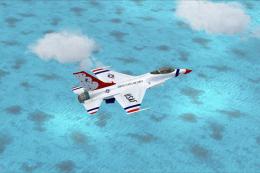
Lockheed Martin F-16 Thunderbird jet. The F16 Fighting Falcon updated for FSX…
 FSX Military Aircraft
You must own TacPack from VRS for this airplane to work. Adds bombs (four), c…
 FSX Military Aircraft
FSX Lockheed Martin F-16. A repaint of Kirk Olsson's F16 Viper (Fighting Falc…
 FSX Military Aircraft
This is the new display jet of the Royal Netherlands Air Force, performed by …
 FSX Military Aircraft
You must own TacPack from VRS for this to work. Original model by Kirk Olsson…
 FSX Military Aircraft
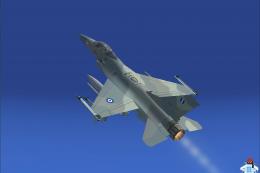
The Hellenic Air Force (or Greek Air Force) has ordered a total of 180 F-16 a…
 FSX Military Aircraft
Reworked and reconfigured Kirk Olsson Lockheed Martin F-16 Fighting Falcon fo…
Read what other simmers think, or add your own.


Hey guys, how do I upload the folders to the community, or how do I get off the plane and the green glass folder can you help me please greetings?


Just downloaded the F-16 and installed the viperden folder in the FSX folder per instructions, but Lockeed Martin F-16 not showing up in the FSX Aircraft page. Help please

What do you do with the module folder once it is unzipped? I couldn't find instructions as to what to do with it.

HOW DO I FIX OPAQUE/GREEN GLASS CANOPY PROBLEM ON VIPER F-16. I SEE THERE IS A FIX BUT WHERE ABOUTS DOES THIS FIX GO ?

The original canopy glass and the fix for it both show up as green or yellow opaque areas. How can i fix this? Also, how do you fire the missiles?

Thank you very much VicViper. The fix worked great!
Thanks to Kirk Olsson for an awesome aircraft.

Hey you two, dunno if you've got your solutions. But try this: http://flyawaysimulation.com/downloads/files/5470/fsx-sp2-acceleration-f-16-fixed-inglassbmp/


I downloaded the aircraft, but I find that the cockpit canopy is an opaque green color and I can't see out.
