Page 27
Searches the whole library — filter by sim & category on the results page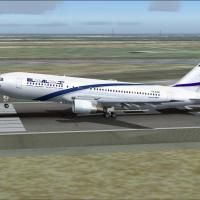
EL AL's current 767 lineup—767-258, 767-258/ER, 767-27E/ER, and the new leased 767-330/ER—appears in the 2004 scheme with photoreal paint. Project Opensky designs the model, with color work by Yard…
 22 MB
22 MB 4.4KAug 2004
 4/5
4/5 9
9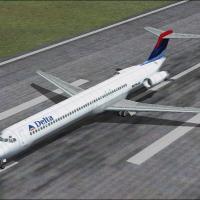
Delta Airlines uses a rework of the default MD-83 to match its new colors, by Fahim Safi, with reflective surfaces and a blank surface by Lewis Lang. This Delta-focused update relies on Fahim Safi …
1.16 MB4.3KAug 20031/54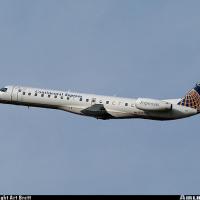 Base Model
This model supports two versions and depicts real detail, including functioning reverse thrust, spoilers, elevators and flaps, with the original model credited to Mike Stone, and it emphasizes stra…
1.01 MB4.2KNov 20034/52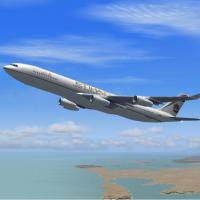 Base Model
By FS Painter, the Etihad A340-300 presents a four-engine long-range airliner with accurately rendered wings and correct engine placement, delivering a fully flyable experience and AI-traffic compa…
964.86 KB3.9KFeb 20051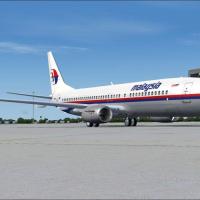 Base Model
OK-TVC, a Boeing 737-800, is leased from Travel Service for Malaysia Airlines. The arrangement links a single variant to the carrier, anchored by the registration OK-TVC and reflecting a cross-oper…
2.53 MB3.8KJan 20065/52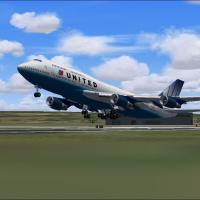 Base Model
United Airlines operates a 747-422 variant, with a white and blue profile and branding on the upper fuselage. The original design started in 1963 and the aircraft achieved its first flight in 1969,…
3.3 MB3.7KAug 20045/54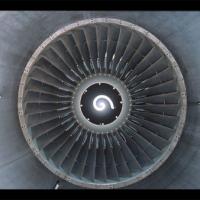 Base Model
ProMX makes edits to the mdl to achieve compatibility, and 99% of the animations work with engine fans now visible on the aircraft. A.Asensio removes the rotation panel, and model design and paint …
696.4 KB3.7KNov 20032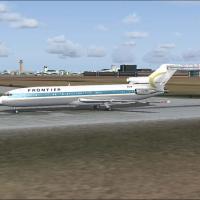 Base Model
The Vistaliners B727 adds wingflex and ground spoilers to the B727 surface model, with a detailed external geometry. It functions as a skin replacement and requires the B7272AVL.ZIP file. Credits g…
12.09 MB3.7KJan 20131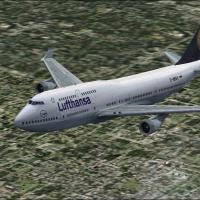
By Fahim Safi, this modification reproduces the 747-400 with Lufthansa branding, preserving the full surface detail of the aircraft and adding a reflective finish. It presents an accurate exterior …
1.66 MB3.7KAug 20034
Project Opensky's Boeing 757-200 variants gain new lighting and crash effects, with wingview and a virtual cockpit, plus opening passenger and cargo doors and 3D cabin attendants. A C32A flight dyn…
5.25 KB3.7KJul 2012 Base Model
Virgin Atlantic Jersey Girl features GE engines and traces its origins to Project Opensky. The attribution remains with Project Opensky, and this model carries the Jersey Girl identity through a co…
3.9 MB3.5KJun 20062/5 Base Model
Kulula.com MD-82 variant features full animation, lighting effects and reflective textures. A custom photoreal panel with XML gauges accompanies the model, and the MD82.exe file appears in accompan…
4.7 MB3.5KJan 20131/5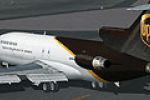 Base Model
UPS-marked Boeing 727-200 presents a tri-jet with articulated wing structures and opening exits, while interior wing views reveal cargo-focused perspectives. Erick Cantu supplies the detailed airfr…
3.47 MB3.4KJan 20135/5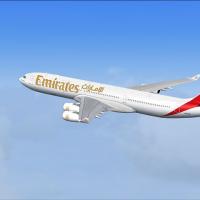 Base Model
By Project Open Sky, this Emirates A340-300 adds a fully articulated exterior with independent gear, wing flex, and 2D/3D engine fans, while registering as A6-ERM. The package features multiple eng…
9.12 MB3.3KOct 20121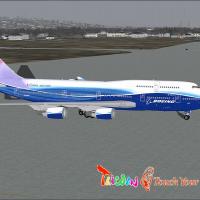 Base Model
A Boeing 747-409ER for China Airlines bears registration B-18210. Project Open Sky develops the airframe, with Howmen Lee providing the visual artwork, and it integrates advanced surface motions, g…
2.36 MB3.3KJan 20133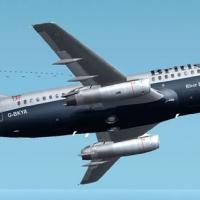 Base Model
The Boeing 737-200, model by Erick Cantu, carries British Airways’ silver top finish, with FDE by Mike Baumann and finishing by Henry William for that operator. Registration G-BKYA stands as the fi…
2.64 MB3.3KAug 20044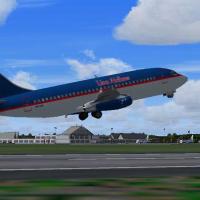 Base Model
AI Aardvark supplies the 737-200 model used by Lion Airlines for AI traffic, accompanying the file named B732LIA.zip. Aswandana provides a visual modification for the asset, intended for traffic op…
554.41 KB3.3KFeb 20135 Base Model
Aerodesigns presents an Airbus A318-111 variant featuring a straightforward configuration, suitable for hobbyist flying environments seeking authenticity and consistency. It uses Eric Marciano's A3…
7.25 MB3.2KNov 2012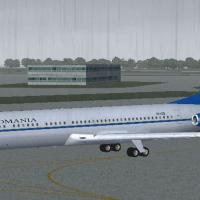 Base Model
Three Tarom color profiles for the Vickers VC-10 span different decades, complemented by a LAR Tarom charter variant and a Romavia governmental variant. Aircraft by David Maltby; color work by Gerg…
4.16 MB3.2KAug 20045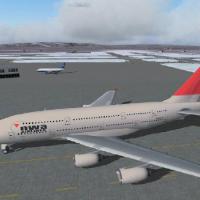 Base Model
The Airbus A380 ProMX Version comes with a dedicated panel by A.Asensio and a model design plus original coloration by Camil Valiquette. Northwest styling is completed by Robert Sistrunk, and an im…
963.79 KB3.2KMar 20043/51