Page 7
Searches the whole library — filter by sim & category on the results page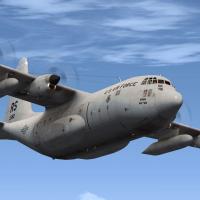
By Bob Rivera, this alternative four-blade propeller suits Captain Sim's Lockheed C-130 Hercules, replacing the standard configuration with a distinct blade arrangement. The CS_C130 designation gui…
 156.03 KB
 896Apr 2013
 1
1
A PDF lists water runways, drawing on data from Winfried Orthmann and verified across 1,525 APX files. The dataset sorts by country, state and ICAO, with most locations in the United States and som…
67.13 KB820Apr 2013 5/5
5/5You wrap renamed wavs into a file named soundai after renaming sound.cfg to soundai.cfg, then create a cab file and place it under Traffic_Sounds\Jets. In the A321’s default folder, the cfg sets an…
1.91 KB808Apr 20135/5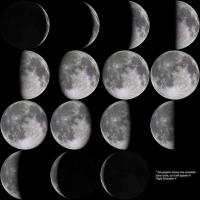
By Marco Fischbach, a lunar set provides 15 moon maps named moon1.bmp through moon15.bmp, converted to the DXT5 format with a bump map applied. The resolution scales from 512x512 to 1024x1024, and …
6.07 MB802May 20131/55
By Bill Honcoop, a version of the EMBSeries is presented together with a rendition of WaterConstants.xml, while small tweaks are available to emphasize how the sim looks under different conditions.…
3.17 MB797Jun 201314An illustrated guide demonstrates the use of background images within the airport design workflow and ships as a PDF file. The tutorial by bob Keeshan for The ScruffyDuck Software Company follows a…
751.91 KB760Apr 2013The compilation, by Gary McDonald, presents a complete list of all airports in the airports file, augmented with data from ICAO databases. The compilation records airport names, cities, states, and…
2.73 MB715May 2013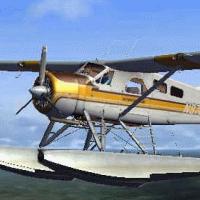
Kenmore Air operates a DHC-2 Beaver with two variations, floats and wheels, and the aircraft bears registration N9766Z. Production totals reach about 1,657 units, underscoring the model’s popularit…
325.46 KB697Jun 20134/51
An illustrated guide shows how to reserve a parking gate at any airport and have ATC direct you to that spot, a concept usable for a specific aircraft of your choice. The technique relies on invest…
769.83 KB625Apr 2013 Patch
PatchBruce Nicholson and Alpha India Group revise six AIG callsigns by replacing earlier EditVoicepack files that include the EXPRESS portion of the callsign. They note that sound segments creating the …
15.06 KB618May 2013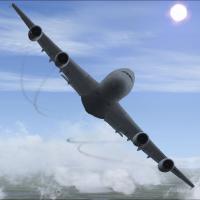
Tom Tiedman provides an engine smoke effect for the Project Airbus A380, associated with PA380_HOUSE.ZIP, and uses the fx_smoke_f6.fx file. The setup adds four SMOKESYSTEM entries in the aircraft.c…
469.71 KB617May 20134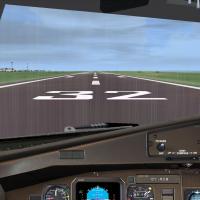
By Claus V. Holmberg, this package includes VC-RAIN visuals, Autogen Trees all seasons, and Water and Sky visuals. It is optimized for SP2, reduces sizes and converts some items from 32-bit to DXT3…
27.57 MB579Apr 20132
Four Gmax generated cumulus clouds mark thermals, with each thermal randomly selecting one of the four variants, by Ed Dumas Sr. AirObjectVisuals.xml accompanies the data, and a reference image sho…
53.11 KB548Apr 20131Ted Porter authors a PDF tutorial detailing the 757 cold and dark startup, version 1.04. Readers save the file to a chosen location and use Adobe Reader to view or print. It stays concise, focusing…
3.18 MB540Apr 20135/5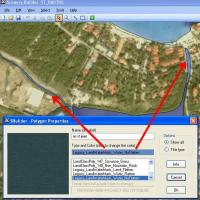
An illustrated guide outlines terrain concepts and how to change them with SBuilder, a tool used to shape island terrain. It covers creating water bodies, roads, vehicle traffic, airport flattening…
3.55 MB496Apr 201360+Clear guidance explains how to enable PAI traffic within a flight simulator, outlining practical steps to copy, move, and edit several essential files. Bruno van Mulken authors this guidance for us…
2.65 KB485Apr 2013
By Hani Michal, this item provides a paint job for the Brazilian carrier Sao Paulo A12 in Brazil and outlines 33 associated routes. The scope centers on the carrier and its route network, with the …
15.64 MB464May 20135/517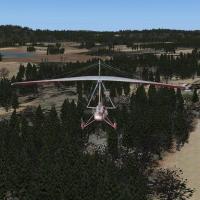
Redesigned visuals use DXT5 format and support Service Pack 1, offering a choice of 512x512 or 256x256 resolutions, with added snow, dead leaves, and enhanced palms, improving seasonal variety and …
1.45 MB463Apr 20133This jetway modification, by Bob Lykins, targets the Project Airbus A321 for use with that model. Jetway testing uses a Project Airbus A321, and the change should work with most other similar model…
1.66 KB462May 2013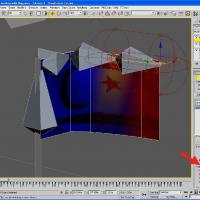
By Serdar Nuzhet, this work outlines the principals and procedures for creating and importing groups of animated flags, with 3ds Max 7 used to craft the writer's project and accompanying tutorial. …
1.17 MB460Apr 20131