Page 2
Searches the whole library — filter by sim & category on the results page Base Model
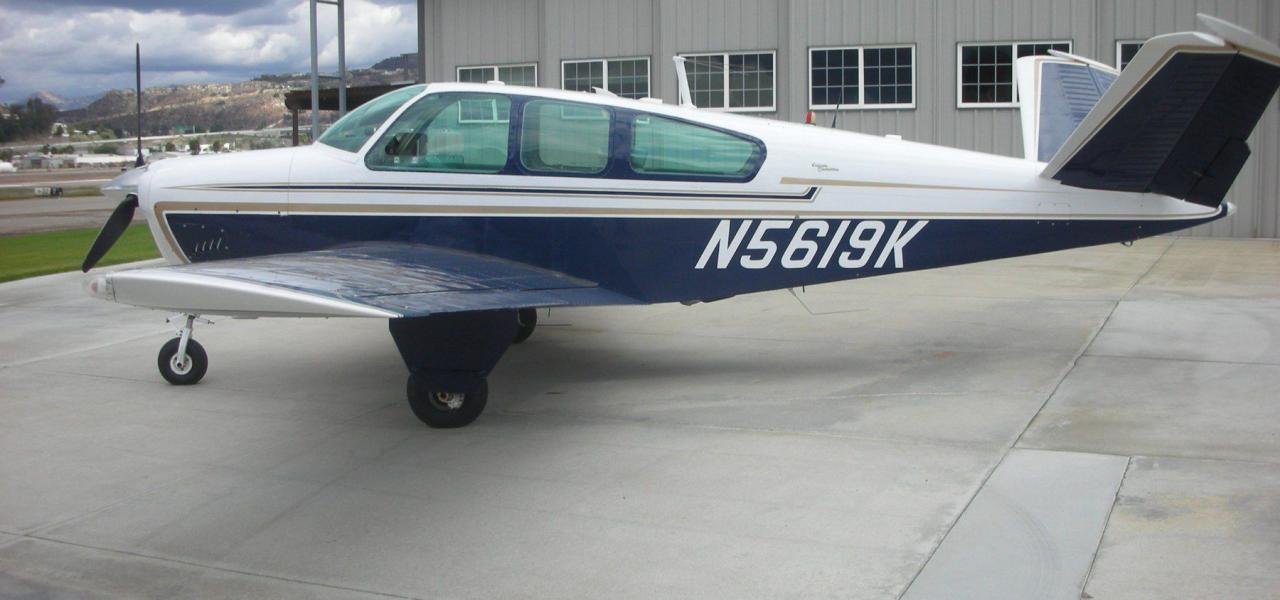
The CAP-231 is an aerobatics single-seater designed and manufactured by Mudry, and it has won the Europa and World aerobatics championships several times. The Moroccan aerobatic team la Marche Vert…
 4.28 MB
 1.5KJul 2012
 14
14 Base Model
This aircraft complies with the United Kingdom single-seat deregulated microlight class and FAI microlight rules, while its cruise speed is being adjusted to align with US light-sport criteria. It …
5.1 MB1.3KApr 2017 3/52
3/52 Base Model
Jacques Brault conducts a conversion of the Airspeed Ambassador airliner, a British twin piston-engined transport that first flew on 10 July 1947 and remained in limited service through the 1950s a…
6.26 MB1.3KAug 20172
An Antonov A-40 serves as an assault glider carrying a T-60 tank, and a single example remains for testing. In its sole flight, the TB-3 tow must release due to drag from the tank, yet the craft re…
13.14 MB1KJul 201215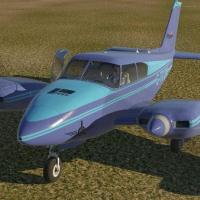 Payware Repaint
By Paul Mort, a PA30 variant of the Twin Comanche carries registration G-TCOM for a payware model. The G-TCOM identity anchors the PA30 variant of the Twin Comanche configuration, linking the regis…
19.69 MB967Aug 20172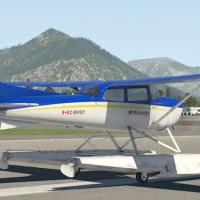 Repaint
By James Lambe, this variant for the default Cessna 172 presents the C-BVGT option. A file named McKinnon CBVGT is provided; copy the folder C-BVGT into the Cessna 172’s variants directory, ensurin…
14.68 MB950Aug 20175/52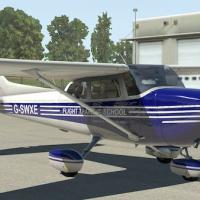 Repaint
Stuart McGregor contributes a design for the default Cessna 172SP bearing tail number G-SWXE, focusing on a training identity. The file named flight_training_school emphasizes flight academy brandi…
6.55 MB894Apr 20175/52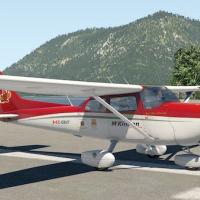 Repaint
By James Lambe, the Canadian registration C-GBVT appears on the Cessna 172, with the letters rendered at precise scale on the fuselage. A C-GBVT directory sits inside a folder named CGBVT, and it i…
15.18 MB780Aug 20175/52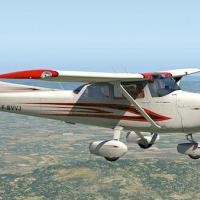 Repaint
A French-inspired exterior marking applies to the Cessna 172 Skyhawk with registration F-BVVJ, by James Lambe, and maintains the model’s original performance behavior as freeware. It preserves the …
15.5 MB632Aug 20175/52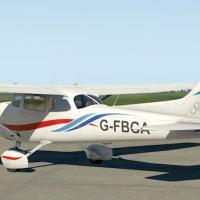 Repaint
Stuart McGregor creates a waves_G-FBGA color pattern for the Cessna 172SP, applying the fictitious registration G-FBGA. The result is a single-variant freeware add-on that refreshes the trainer’s a…
6.7 MB563Apr 20172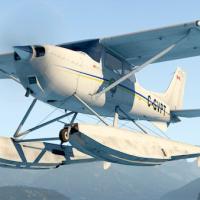 Repaint
James Lambe creates a freeware finish for a Cessna 172 Skyhawk, registered in Canada as C-GVPT, built on the standard Cessna 172 model. The package uses the CGVPT file name and the C-GVPT directory…
15.49 MB532Aug 20175/52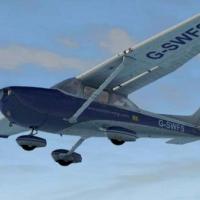 Repaint
Stuart McGregor creates the scottish_wings folder that pairs with the standard Cessna 172SP, bearing tail number G-SWFS for Scottish Wings operations. It represents a single option tied to the defa…
5.94 MB469Apr 20175/51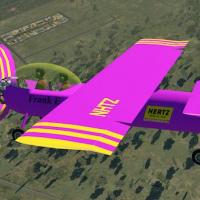 Base Model
Skroback Roadable Flying Machine has a single sweeping wing, a Rotax 915 iS engine delivering 135 hp, and a modern glass cockpit with ILS Cat III capability, while the design traces a 1934 concept …
21.92 MB373Apr 20172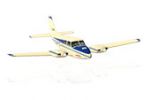 Payware Repaint
Paul Mort creates a PA30 variant linked to the Twin Comanche lineup, assigned the registration G-BPTC. The presentation centers on a single airframe identity, linking the PA30 designation to G-BPTC…
16.94 MB314Aug 2017